

300 Nigerian Refugees Return to Borno from Cameroon as Repatriation Resumes

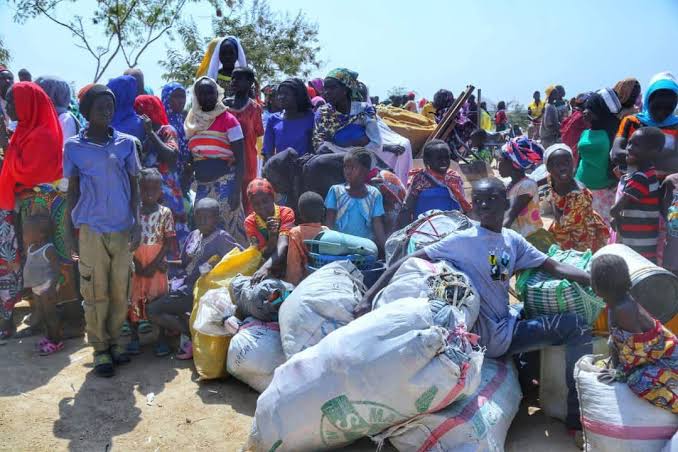
The first batch of 300 Nigerian refugees has returned to Borno State from neighbouring Cameroon, marking the commencement of the fourth phase of an ongoing repatriation exercise for persons displaced by insurgency in the state.
The returnees arrived in Pulka town, Gwoza Local Government Area, on Tuesday after spending about 11 years in exile following the Boko Haram insurgency.
The News Agency of Nigeria (NAN) reports that the group is part of about 3,000 refugees expected to be repatriated from the Minawao Refugee Camp in Maroua, Cameroon. The 300 returnees comprise 75 households.
The repatriation exercise was conducted in a coordinated and dignified manner by United Nations agencies in collaboration with Nigerian and Cameroonian authorities.
On arrival in Pulka, the returnees were formally received by local government officials and security agencies. Each household head received ₦500,000, while each housewife was given an additional ₦50,000 to support reintegration.
The Borno State Government also provided mattresses and clothing materials for women and children, while the National Commission for Refugees, Migrants and Internally Displaced Persons supplied food items including rice, millet, beans and cooking oil.
Speaking on the exercise, Chairman of the Borno State Sub-Committee on Repatriation, Mr Lawan Wakilbe, described the development as a major milestone for the current administration.
“This homecoming is a testament to our collective resolve. We are not just moving people; we are restoring lives and reigniting hope in our communities,” Wakilbe said.
Many of the returnees expressed joy at returning to their ancestral homes after more than a decade, with some shedding tears as they reunited with their communities. They thanked all stakeholders for their care in Cameroon and the safe and dignified return, while praying for lasting peace in the region.
According to a United Nations Development Programme (UNDP) report, the insurgency in the North-East has displaced about 1.8 million people across Borno, Adamawa and Yobe states, with approximately 1.5 million of them from Borno, the epicentre of the crisis.
