

EU Moves to Ban All Russian LNG, Pipeline Gas in Major Energy Shift

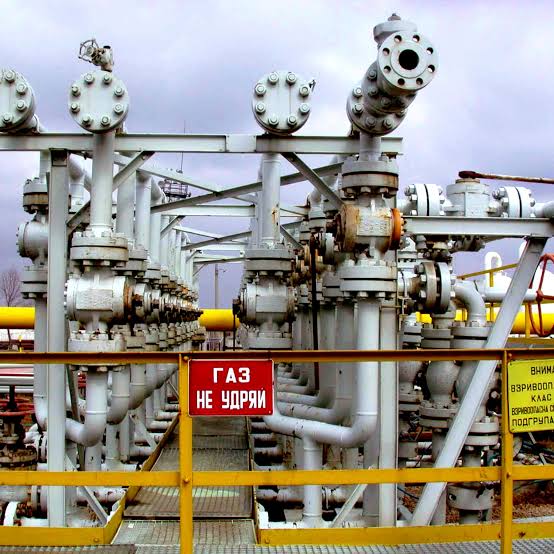
The European Union has reached a preliminary agreement to phase out all imports of Russian natural gas both liquefied natural gas (LNG) and pipeline supplies as part of a sweeping effort to end the bloc’s reliance on Moscow’s energy, EU officials announced on Wednesday.
In a statement, the Council of the European Union confirmed that negotiators from the Council and the European Parliament have agreed on new regulations establishing a full ban on Russian LNG by the end of 2026 and a prohibition on pipeline gas by autumn 2027.
Under the draft rules, short-term gas contracts signed before June 17, 2025, will be subject to phased restrictions: imports of LNG will be banned from April 25, 2026, while pipeline gas will face a ban beginning June 17, 2026. Longer-term LNG contracts will be terminated from January 1, 2027, as part of the EU’s nineteenth sanctions package. Long-term pipeline agreements are scheduled to end on September 30, 2027, provided storage targets are met, with a final activation deadline no later than November 1, 2027.
The regulation includes a limited transition period for existing supply deals and introduces an emergency mechanism allowing the temporary suspension of the ban if Europe experiences severe energy supply disruptions.
The decision comes amid ongoing debate within the EU about the economic and strategic costs of cutting energy ties with Russia. A 2024 report by former Italian Prime Minister and ex-ECB president Mario Draghi warned that Europe still faces structural vulnerabilities and persistent supply constraints despite efforts to diversify energy imports.
Draghi noted that European gas prices remain four to five times higher than in the United States. Russian officials have seized on these concerns, with Russian Direct Investment Fund head Kirill Dmitriev claiming the transition has cost Europe more than €1.3 trillion. President Vladimir Putin has also blamed EU policies for factory closures, rising inflation and public unrest across member states.
Despite such warnings, EU governments in October endorsed a plan to eliminate most Russian gas imports starting January 2026, while allowing existing contracts to continue until early 2028 if necessary. The latest agreement strengthens that commitment, marking one of the bloc’s most significant steps yet toward full energy decoupling from Russia.
