

ICJ Opens Landmark Genocide Hearings Against Myanmar Over Rohingya Abuse

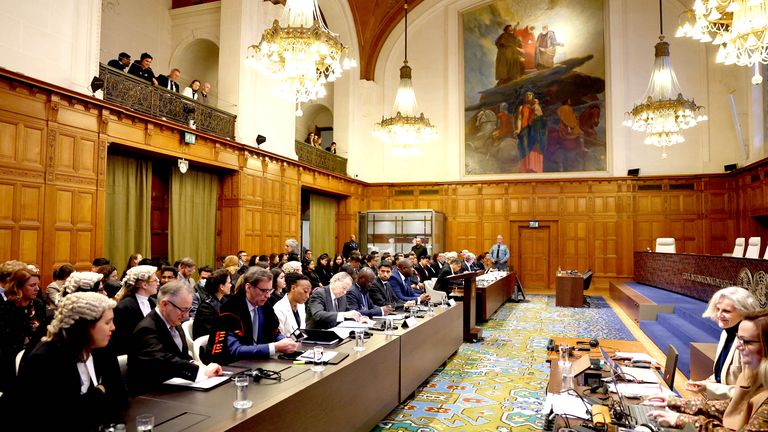
Hearings have begun at the International Court of Justice (ICJ) in The Hague in a landmark case accusing Myanmar of committing genocide against the Rohingya ethnic minority.
The case, filed by The Gambia in 2019, marks the first full genocide proceedings taken up by the United Nations’ top court in more than a decade. It centres on allegations that Myanmar’s military carried out a brutal campaign against the predominantly Muslim Rohingya population in Rakhine State in 2017.
The Gambia argues that Myanmar violated the 1948 Genocide Convention through what it describes as a “clearance operation” involving mass killings, widespread sexual violence and the burning of thousands of homes. The violence forced more than 700,000 Rohingya to flee to neighbouring Bangladesh.
Myanmar has consistently denied the genocide accusations, saying the military action followed attacks by a Rohingya insurgent group and was a legitimate security response.
Speaking at the opening of the hearings on Monday, The Gambia’s Justice Minister, Dawda Jallow, said his country brought the case out of “a sense of responsibility,” shaped by its own history under military rule.
“We must use our moral voice in condemnation of oppression, of crimes against individuals and of groups, wherever and whenever they occur,” Jallow said.
The hearings are expected to last three weeks and are being closely watched for their potential impact on future genocide cases before the ICJ, including South Africa’s case accusing Israel of genocide in Gaza.
Several Rohingya survivors travelled to the Netherlands to attend the proceedings. An estimated 1.2 million Rohingya currently live in overcrowded refugee camps in Bangladesh, where conditions have worsened following major cuts to foreign aid last year.
“We don’t have anything that human beings should have,” said Yousuf Ali, a Rohingya refugee who travelled from Bangladesh to observe the hearings, underscoring the dire humanitarian situation facing the displaced community.
