

Man Who Killed Former Japanese PM Shinzo Abe Awaits Sentencing

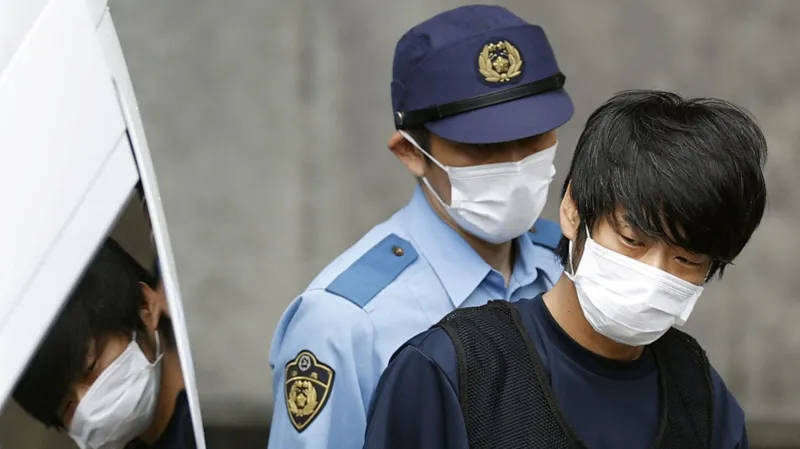
A Japanese court is set to sentence Tetsuya Yamagami, the man who admitted to killing former Prime Minister Shinzo Abe, bringing to a close one of the most shocking criminal cases in the country’s modern history.
Yamagami, 45, pleaded guilty at the opening of his trial last year to fatally shooting Abe during a campaign speech in the western city of Nara on July 8, 2022. Prosecutors are seeking a life sentence, describing the assassination as a grave crime that stunned a nation where gun violence is extremely rare.
Abe, Japan’s longest-serving prime minister, was killed in broad daylight using a homemade firearm. His death sent shockwaves through Japan and around the world, prompting scrutiny of political security and ties between politicians and controversial religious groups.
While his conviction is widely seen as certain, Yamagami’s sentencing has divided public opinion. Prosecutors have portrayed him as a cold-blooded murderer, while his defence team has argued for leniency, claiming he was a victim of “religious abuse”.
According to the defence, Yamagami harboured deep resentment toward the Unification Church, to which his mother had donated family assets worth about 100 million yen, leaving the family financially ruined. They said his anger later shifted toward Abe after the former prime minister appeared in a video message linked to a church-affiliated event.
Yamagami told the court that Abe was not his original target and that he had initially planned to attack senior figures within the church. His testimony drew emotional reactions in court, including from Abe’s widow, Akie Abe, who said the pain of losing her husband would “never be relieved”.
Abe’s assassination triggered investigations into the Unification Church and its fundraising practices, as well as revelations about its links to politicians from Japan’s ruling Liberal Democratic Party. The controversy led to several cabinet resignations and, in March last year, a Tokyo court stripped the church of its religious corporation status, citing coercive practices.
Despite public sympathy for Yamagami’s troubled background, prosecutors argue there is no direct link between Abe and the personal harm suffered by the defendant. Judges have also questioned the logic of targeting the former prime minister.
As the court prepares to deliver its sentence, the case continues to fuel debate in Japan over personal responsibility, social grievances and the broader impact of religious organisations on vulnerable families.
