

Libya Hits 12-Year High in Oil Output, Launches New Energy Licensing Round

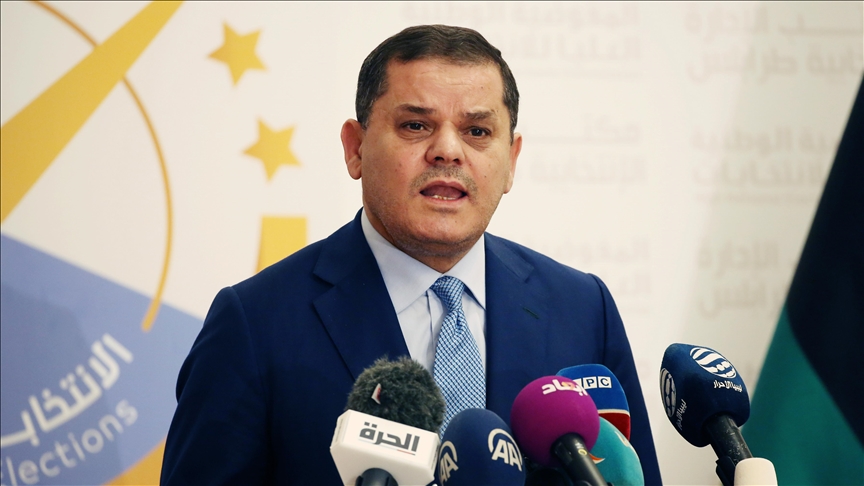
Libya’s oil production reached its highest level in 12 years in 2025, averaging 1.37 million barrels per day, Prime Minister Abdulhamid Dbeibah announced on Saturday.
Speaking at the opening of the Libya Energy and Economy Summit (LEES) 2026 in Tripoli, Dbeibah said output increased following the start of production at several oil fields across the country, including Iravn, Mutahandush, Al-Khayr, Hamada 47 and Sinawan.
The prime minister also revealed that Libya launched its first oil and natural gas exploration licensing round in 17 years in 2025, drawing strong interest from international energy companies. He said the results of the tender are expected to be announced in the second week of February.
Dbeibah noted that new agreements are set to be signed during the summit to develop two offshore natural gas fields. As part of the process, existing agreements between Libya’s National Oil Corporation (NOC) and France’s TotalEnergies, as well as US-based ConocoPhillips, will be amended. The revised deals will run for 25 years and are expected to involve investments exceeding $20 billion.
He added that the summit will also feature the signing of a memorandum of understanding with US energy firm Chevron, covering exploration, field development and production opportunities. In addition, a cooperation agreement with Egypt is expected to be signed, focusing on exploration, production and related logistics services.
Libya, a member of the Organization of the Petroleum Exporting Countries (OPEC), ranks among the world’s top 10 countries in proven oil reserves, estimated at 48.4 billion barrels. Its proven natural gas reserves are estimated at around 1.5 trillion cubic meters, according to OPEC data.
Beyond hydrocarbons, Libya also holds significant renewable energy potential due to its vast territory and high levels of solar exposure. In recent years, stabilising oil and gas production, upgrading energy infrastructure and integrating renewable energy into the national mix have remained key national priorities.
