

Minneapolis Killings Push Trump’s Immigration Crackdown Into Fierce Election-Year Debate

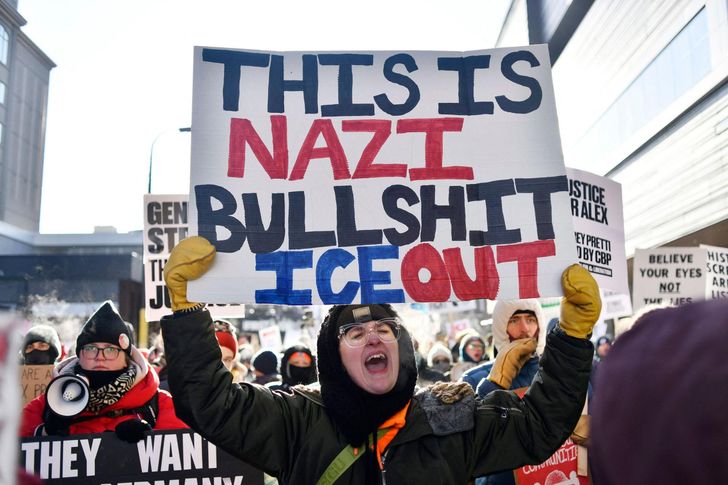
A second fatal shooting involving federal agents in Minneapolis has intensified national scrutiny of President Donald Trump’s aggressive immigration enforcement, placing the policy at the heart of a growing election-year political battle.
Federal officers have killed two US citizens in Minneapolis this month, including 37-year-old intensive care unit nurse Alex Pretti, who was shot on Saturday during confrontations linked to a sweeping federal immigration operation. The incidents have sparked sustained protests and sharpened partisan divisions in Washington.
Senate Democratic leader Chuck Schumer said his party would oppose any government funding legislation that includes money for the Department of Homeland Security, which oversees Immigration and Customs Enforcement (ICE). Lawmakers face a January 30 deadline to avert a partial government shutdown.
In a statement on Sunday, Schumer urged Republicans to “join Democrats in overhauling ICE and CBP to protect the public,” referring to US Customs and Border Protection. Several moderate Democrats, previously cautious about criticizing law enforcement, have also backed calls for reforms following the Minneapolis shootings.
“This is clearly not about keeping Americans safe — it’s about brutalizing US citizens and law-abiding immigrants,” Nevada Senator Catherine Cortez Masto said, condemning the federal operation.
The Trump administration has launched what officials describe as its most ambitious immigration enforcement effort to date in Minneapolis, triggering weeks of unrest, clashes between residents and federal agents, and two fatal shootings — Renee Good on January 7 and Pretti over the weekend.
While Republicans have largely defended the crackdown, the killing of a legally armed US citizen has raised political concerns for a party that strongly identifies with gun rights advocacy.
Gun rights organizations have criticized attempts by the administration to fault Pretti for carrying a weapon at the protest, noting that he was legally permitted to do so. The Minnesota Gun Owners Caucus said it was “deeply concerned” by the justification offered for the shooting, stressing that peaceful citizens have the right to bear arms, including during protests.
Polling conducted by Reuters shows broad skepticism about the administration’s tactics. Most Democratic voters oppose the enforcement surge, while 39 percent of Republicans said authorities should prioritize minimizing harm, even if it results in fewer immigration-related arrests. Among independent voters, 73 percent favored reducing harm, compared with 19 percent who said authorities should accept the risk of serious injury or death to carry out arrests.
As demonstrations continue, Minneapolis residents warn the situation could have national implications.
“The rest of the country needs to know that what’s happening here could happen anywhere,” said Eric Gray, a 50-year-old protester. “Minnesota may be the starting point — the litmus test.”
