
FG Urged to Fully Fund HIV/AIDS Services Amid U.S. Foreign Aid Cuts – Durfa

An HIV/AIDS expert has warned that recent U.S. policy changes halting foreign aid could reverse decades of progress in the fight against HIV/AIDS in Nigeria, urging the Federal Government to urgently step in with full funding to protect young people and other vulnerable groups.
Dr Nandul Durfa, Managing Director of Reach Care Foundation, an HIV/AIDS care provider, said the sudden withdrawal of funds would erode hard-won gains and expose Nigerians—particularly youths—to renewed risks of infection.
Durfa made the call in an interview with the News Agency of Nigeria (NAN) on Sunday in Abuja, while reacting to a letter from the Institute of Human Virology, Nigeria (IHVN), informing his organisation of the immediate termination of its funding agreement.
In the letter, signed by the institute’s Chief Executive Officer, Dr Patrick Dakum, IHVN cited “prevailing funding constraints” as the reason for terminating all contracts with partner organisations.
NAN reports that several non-governmental organisations and corporate bodies involved in HIV/AIDS interventions have shut down operations following a new U.S. policy that halted foreign aid.
The Institute of Human Virology, Nigeria, had been a major beneficiary of U.S. funding routed through the United States Agency for International Development (USAID).
NAN further reports that global health systems have come under severe strain since the U.S. froze overseas aid, dismantled USAID, announced workforce cuts, and suspended most aid-funded projects and programmes worldwide.
With the collapse of its funding base, IHVN has discontinued support for HIV/AIDS services, leaving care providers and beneficiaries uncertain about the future.
Durfa expressed deep concern over the development, recalling that HIV/AIDS was a major public health crisis in Nigeria about two decades ago.
“The scourge was deadly and claimed many lives. As the former Chief Medical Director of the University of Abuja Teaching Hospital, I recall a time when we had over 7,000 patients,” he said.
He noted that U.S. support through USAID played a crucial role in reducing infection rates to near-zero levels.
“Now, with the sudden halt in funding, the outcome is obvious. Nigeria risks relapsing into a worse epidemic if urgent action is not taken by the Federal Government. The government must urgently fill this gap to prevent a resurgence,” Durfa warned.
According to him, young people would be the most affected by any resurgence of the disease.
“Young Nigerians under 20 never witnessed the HIV/AIDS crisis and may not understand how to protect themselves. If funding stops without eliminating the virus, resistance will develop. Even if funds return later, we would have lost critical ground,” he said.
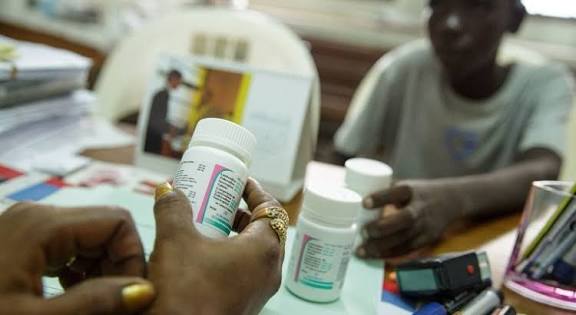
Durfa said the policy shift could reverse achievements recorded since 2005, stressing that immediate government funding was needed to procure antiretroviral drugs.
“Nobody talks about HIV/AIDS today because it has been subdued. But a sudden halt in funding will wipe out these achievements. Any delay in providing drugs will be extremely dangerous,” he added.
He praised former U.S. President George W. Bush for his administration’s significant
