

Air Cargo Reforms Vital for Nigeria’s AfCFTA Competitiveness – SEREC

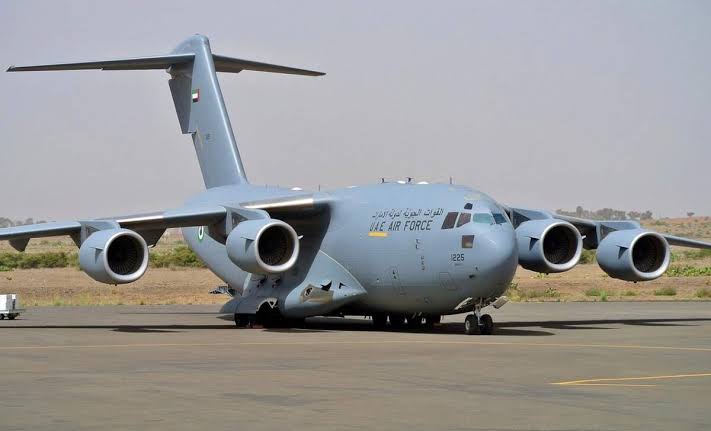
The Sea Empowerment Research Centre (SEREC) has called for urgent reforms in Nigeria’s air cargo governance, describing them as critical to the country’s competitiveness under the African Continental Free Trade Area (AfCFTA), trade facilitation and overall economic growth.
The call was contained in a policy brief issued in Abuja on Wednesday by SEREC’s Head of Research, Dr Eugene Nweke.
The brief follows a recent dispute over tariff adjustments between the Federal Airports Authority of Nigeria (FAAN) and freight forwarders as well as air cargo agents. FAAN had proposed an upward review of air cargo handling and port charges, a move that met strong resistance from stakeholders before a compromise was reached on Monday.
Nweke said that in the AfCFTA era, air cargo plays a strategic role in supporting high-value and time-sensitive intra-African trade, including non-oil exports such as agricultural produce, pharmaceuticals and manufactured goods.
He noted that air cargo also enables Nigeria’s integration into regional value chains and strengthens its competitiveness against other African aviation hubs.
“Globally, air cargo is increasingly recognised as critical trade infrastructure, not a subsidiary aviation function. Countries that will succeed under AfCFTA are those that minimise logistics costs, ensure predictability and operate trusted, secure supply chains,” he said.
Nweke urged the Federal Government to introduce AfCFTA-sensitive safeguards to protect priority export sectors from excessive cost increases, stressing that aviation charges should support, not undermine, regional trade competitiveness.
He said air cargo policy must evolve into a strategic enabler of trade, competitiveness and economic growth, adding that the Ministry of Aviation and Aerospace Development was well positioned to drive holistic reforms and restore stakeholder confidence.
According to him, current weaknesses in the sector include fragmented governance, inconsistent policy implementation, weak links between tariffs and service performance, and underutilisation of internationally recognised regulated agent regimes.
“These gaps risk turning Nigeria into a high-cost, low-efficiency cargo hub, which would undermine export diversification and trade expansion efforts,” he warned.
Nweke called on the government to elevate air cargo as a national trade policy priority and formally recognise it as strategic trade infrastructure essential to AfCFTA participation.
He also advocated the integration of air cargo policy into national trade, export and logistics strategies, and proposed the creation of a permanent Air Cargo Policy and Tariff Framework through a National Air Cargo Economic and Trade Facilitation Committee.
The proposed committee, he said, should include FAAN, the Nigerian Civil Aviation Authority, Customs, airlines, freight forwarders, exporters and other relevant ministries, departments and agencies, and be mandated to carry out economic impact assessments and stakeholder consultations before any tariff adjustments.
Nweke further urged the full operationalisation and enforcement of the Regulated Air Cargo Agent Regime as a trusted supply-chain model, adding that tariffs should be linked to service quality, infrastructure upgrades and efficiency gains.
He also recommended phased and differentiated tariffs, particularly for export-oriented and AfCFTA-priority goods, as well as accelerated digitalisation through a National Air Cargo Community System integrating FAAN, Customs, airlines, handlers and agents.
Nweke said SEREC remained committed to providing technical support, comparative policy analysis and stakeholder engagement to advance sustainable air cargo reforms in Nigeria.
