

Nigeria not ready for blanket ban on solar panel imports – Experts

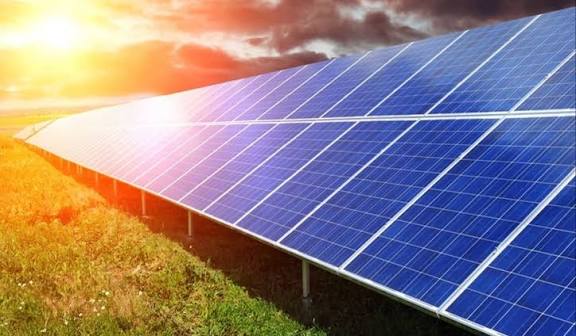
Energy and environment experts have warned that Nigeria is not prepared for a blanket ban on the importation of solar panels, saying such a policy could worsen energy poverty and slow the country’s clean energy transition.
They made the remarks in Abuja on Tuesday at the National Stakeholders Engagement Workshop on accelerating Nigeria’s clean energy transition.
Speaking at the event, Dr Michael David, Executive Director of the Global Initiative for Food Security and Ecosystem Preservation (GIFSEP), described solar energy as “the beacon of hope” and a critical pathway out of energy poverty in Nigeria.
According to him, Nigeria faces a paradox of being energy-rich but energy-poor, making the country unready for a blanket ban on solar panel imports.
“Nigeria is confronted with widespread energy poverty, severe electricity access deficits, chronic power shortages and persistent inequality in access to reliable electricity. Energy poverty continues to undermine economic growth and human development,” he said.
David noted that solar energy offers a realistic opportunity to bridge Nigeria’s energy gap by providing clean, affordable and accessible power to millions who remain outside the national grid.
“Banning solar imports now would be like removing lifelines in a crisis. Such a policy would worsen energy poverty, slow renewable energy adoption and negatively affect households and businesses,” he said.
He called for a more balanced clean energy policy that would encourage local solar production and manufacturing, promote affordable financing for clean energy systems and adopt a gradual approach to any future import restrictions.
“What we need is to get the basics right before talking about a blanket ban,” he added.
David further stressed that Nigeria has one of the largest electricity access deficits globally, despite being one of Africa’s biggest economies, noting that electricity demand continues to far exceed supply.
Citing development data, he said millions of Nigerians still lack access to electricity, making renewable energy solutions such as solar critical to improving living standards and economic productivity.
He also referenced the World Bank, which estimates that about 86.8 million Nigerians remain without access to electricity, the highest figure worldwide.
On policy reforms, David highlighted the importance of the Electricity Act 2023, describing it as a major shift aimed at decentralising power generation, promoting renewable energy investment and giving state governments greater regulatory powers over electricity supply.
In a keynote address, Rep. Terseer Ugbor, Deputy Chairman of the House Committee on Environment, said solar energy had become a necessity in Nigeria due to frequent power failures across the country.
“I imagine a Nigeria where every home has electricity, where no child studies in the dark and where businesses thrive without reliance on generators,” Ugbor said.
He described solar energy as central to economic diversification, job creation, rural development, climate responsibility and national growth, warning that an abrupt ban on solar panel imports could negatively affect rural communities, businesses, schools and healthcare facilities.
Also speaking, Mr Joseph Ibrahim, Nigeria Campaign Director of the Secure Energy Project, criticised the proposed ban and urged the government to focus instead on making renewable energy affordable and accessible to all Nigerians.
