

US, Iran Agree to 15-Day Ceasefire After 40 Days of War, Talks Set for Islamabad

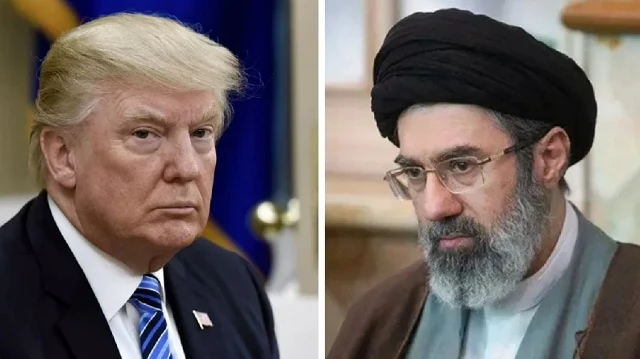
The United States and Iran have agreed to a 15-day ceasefire, pausing a 40-day conflict that had raised fears of a wider regional war and possible nuclear escalation.
The truce, brokered by Pakistan, was announced just hours before a deadline issued by US President Donald Trump, marking a significant de-escalation in hostilities involving Iran.
Celebrations were reported in Tehran following the announcement, as the temporary halt in fighting eased global concerns over the conflict’s potential fallout.
Pakistan brokers talks
Pakistan’s Prime Minister, Shehbaz Sharif, confirmed that both sides had agreed to an immediate ceasefire across multiple fronts, including Lebanon. He also invited delegations from Washington and Tehran to begin direct negotiations in Islamabad starting April 10.
Sharif acknowledged the support of several countries, including Türkiye, Egypt, Qatar, Saudi Arabia, and China, in facilitating the agreement.
The upcoming talks are expected to focus on a 10-point proposal from Iran, which Washington has accepted as a basis for negotiation, alongside a US counterproposal.
Dispute over Strait of Hormuz
A key sticking point remains the Strait of Hormuz, a critical global oil route.
Trump said the waterway would reopen immediately and described the ceasefire as a “complete victory.” However, Iranian officials insist that reopening will occur only after the truce takes effect and under Iran’s security oversight.
Despite the differing positions, maritime activity reportedly resumed shortly after the ceasefire announcement.
Proposals and high-level delegations
Iran’s proposal includes halting hostilities, lifting international sanctions, negotiating nuclear activity limits, and introducing measures tied to maritime traffic through the Hormuz corridor.
Tehran is expected to be represented in Islamabad by Parliament Speaker Mohammad Bagher Ghalibaf, while the US delegation will include Special Envoy Steve Witkoff, Vice President JD Vance, and adviser Jared Kushner.
Pakistan’s military leadership, including Army Chief Asim Munir, is also expected to play a coordinating role.
Fragile pause
While the ceasefire offers a temporary reprieve, uncertainties remain over implementation and the path to a long-term agreement. Analysts say the success of the Islamabad talks will be critical in determining whether the truce can evolve into a lasting resolution.
