

Pakistan Emerges as Key Mediator in U.S.–Iran Talks as Fragile Ceasefire Faces Crucial Test

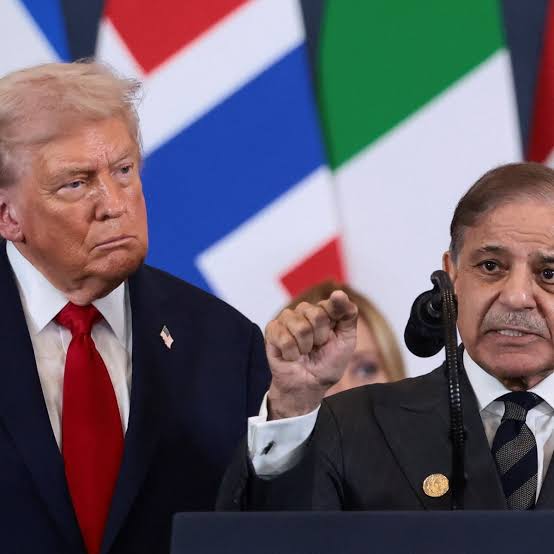
Pakistan has moved from a quiet intermediary to a central diplomatic force in efforts to de-escalate tensions between the United States and Iran, positioning itself at the heart of high-stakes negotiations in Islamabad.
Over the past three weeks, Islamabad has rallied support from regional and global powers including Egypt, Turkey, Saudi Arabia, and China before proposing a ceasefire framework that both Washington and Tehran ultimately accepted. The significance of Pakistan’s role became clear when leaders from both sides publicly acknowledged Prime Minister Shehbaz Sharif and Army Chief Asim Munir in their ceasefire announcements—an unusual show of mutual trust.
Analysts say that level of alignment is rare. Rasheed Wali Janjua of the Islamabad Policy Research Institute noted that no other country currently enjoys comparable credibility with both parties, suggesting a shared desire in Washington and Tehran to find an exit from the conflict.
Now, Pakistan faces a more difficult challenge: converting a fragile pause in hostilities into a durable agreement. Talks in Islamabad, involving U.S. Vice President JD Vance and senior Iranian officials including parliamentary speaker Mohammad Bagher Ghalibaf and Foreign Minister Abbas Araghchi, are seen as a critical next step.
Success could significantly elevate Pakistan’s global standing. Ishtiaq Ahmad, a professor emeritus at Quaid-i-Azam University, said a breakthrough could transform international perceptions of the ქვეყან country’s diplomatic influence—particularly in Washington—despite ongoing political and economic instability at home.
However, several contentious issues threaten to derail progress. Ongoing tensions in the Strait of Hormuz and continued Israeli military activity in Lebanon despite Pakistan’s assertion that such actions fall under the ceasefire—remain key sticking points. Lebanon’s Prime Minister Nawaf Salam has already sought Islamabad’s intervention to halt the strikes.
Pakistan has deliberately focused its mediation on U.S.–Iran dialogue, avoiding direct engagement with Israel, which it does not formally recognize. Experts say domestic public opinion strongly constrains Islamabad’s ability to broaden its diplomatic role in that direction.
Security across Islamabad has been tightened ahead of the talks, with roadblocks, increased police presence, and restricted movement in key areas. While the government has kept details of the مذاکرات closely guarded, signs of preparation are visible—from cleared hotels to public messaging hinting at the significance of the moment.
For many residents, the disruption is a small price to pay. As one local commuter put it, the inconvenience is justified if it helps advance peace.
The outcome of these talks could not only shape the trajectory of U.S.–Iran relations but also redefine Pakistan’s place on the global diplomatic stage.
