

U.S. naval moves in Strait of Hormuz spark Iranian threats, rattle global markets

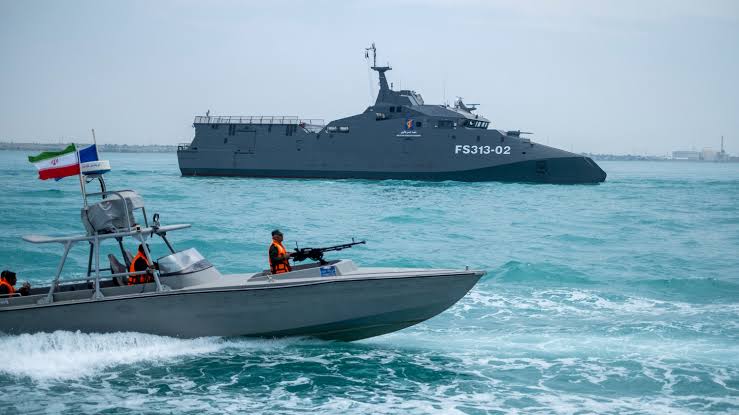
Rising tensions in the Gulf escalated over the weekend after Donald Trump announced plans for a potential naval blockade near the Strait of Hormuz, a critical artery for global oil shipments.
The U.S. military signaled readiness to secure the المنطقة as United States Central Command confirmed that guided-missile destroyers USS Frank E. Peterson and USS Michael Murphy had transited the strait into the Persian Gulf. The deployment is seen as a precursor to operations aimed at clearing Iranian mines and reopening shipping lanes.
Tehran reacted sharply, warning that any threat to its ports could trigger broader regional consequences. In a statement carried by Islamic Republic of Iran Broadcasting, Iranian military officials said security in the Gulf must be shared — or risk collapsing entirely.
Officials also raised the possibility of extending tensions to the Red Sea, specifically referencing the Bab el-Mandeb Strait, another vital corridor leading toward the Suez Canal. The warning echoes earlier disruptions by Iran-aligned Houthi forces targeting commercial shipping in the region.
Markets reacted swiftly to the escalating uncertainty. Global oil prices surged, with Brent crude and West Texas Intermediate both climbing above $100 per barrel. Meanwhile, major European stock indices declined, reflecting investor concern over supply disruptions and broader geopolitical risks.
Analysts warn the fallout could extend far beyond energy markets. David Satterfield, a former U.S. envoy to the region, said prolonged disruption in Gulf shipping could impact a wide range of exports, including industrial materials such as aluminum, helium and fertilizers.
“The Gulf is a critical global supply point, far beyond hydrocarbons,” he said, cautioning that continued instability could have deep and lasting economic consequences worldwide.
The developments underscore growing fears that the conflict could expand beyond its current scope, threatening key maritime routes that underpin global trade.
