


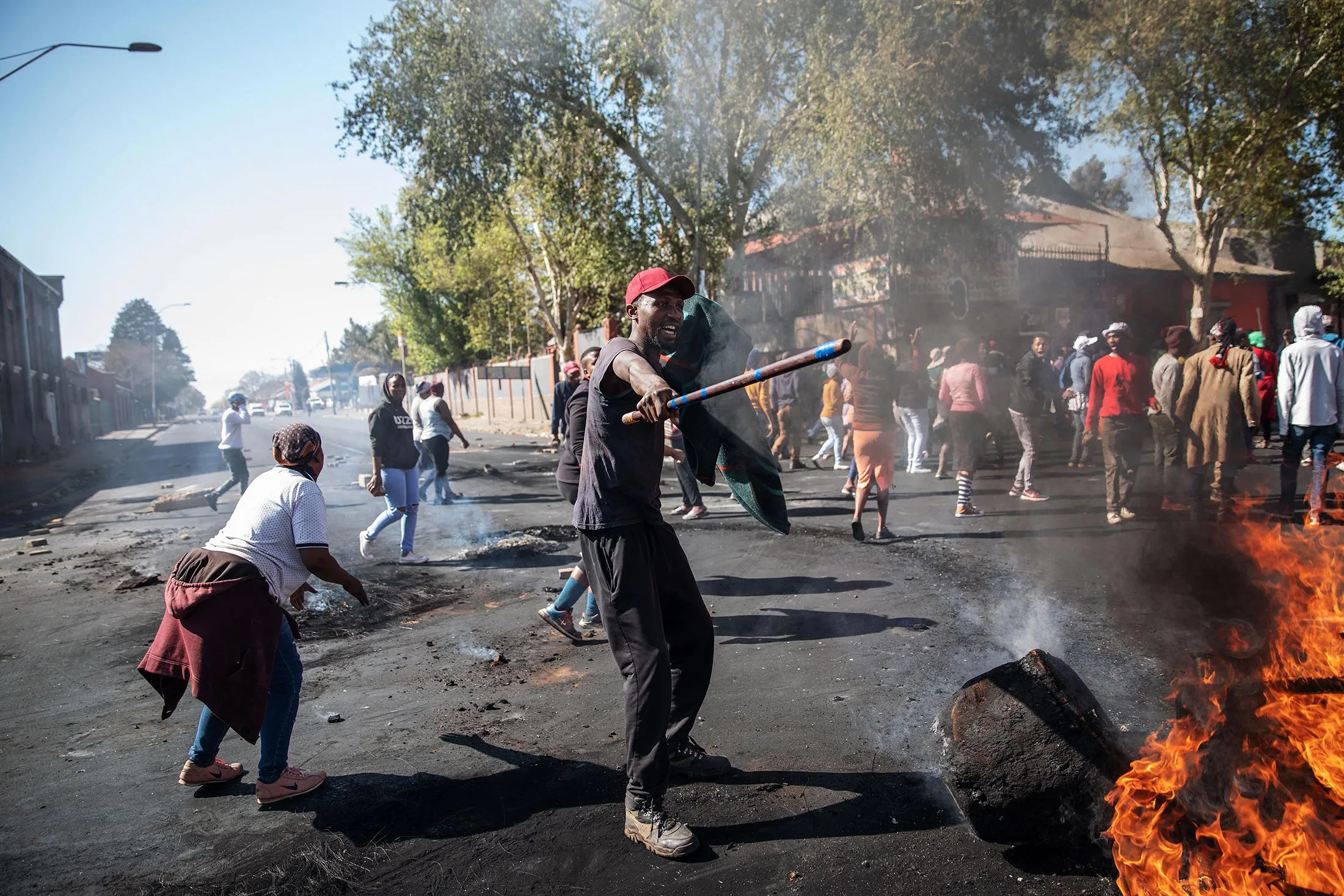
The President of the Africa Development Studies Centre (ADSC), Dr. Victor Oluwafemi, has called for immediate and coordinated action across the continent to address escalating xenophobic tensions in South Africa.
Oluwafemi made the call in a statement issued on Monday in Abuja, expressing concern over growing anti-migrant hostility in parts of the country. He cautioned African leaders against remaining silent in the face of attacks on foreign nationals, warning that inaction could worsen the situation.
According to him, “silence in moments such as this, is not neutrality as it emboldens South Africans in xenophobic acts.”
While acknowledging South Africa’s sovereign right to regulate its immigration system, Oluwafemi noted that increasing hostility linked to non-state actors raises serious concerns about law enforcement, public order, and the protection of fundamental rights.
“Where credible reports indicate intimidation by non-state actors and growing anti-immigrant sentiments, the absence of a firm and visible response creates a perception gap among African leaders.
“Such a gap, if left unaddressed, could erode confidence among African communities and undermine broader continental efforts toward integration and cooperation.
“The Government of South Africa is therefore, encouraged to act with urgency and clarity by reinforcing the rule of law, ensuring that immigration enforcement remains within lawful institutional frameworks and taking decisive steps to prevent vigilantism or targeted hostility,” he said.
The development expert stressed that a strong and reassuring national stance would be vital in reaffirming South Africa’s commitment to the safety and dignity of all African nationals within its borders.
He also urged the African Union to take a more proactive role in tackling xenophobia and ensuring migrant protection, noting that the principles of African integration—such as economic cooperation and free movement—depend on a secure environment for all citizens.
“African governments, more broadly, may also consider coordinated diplomatic engagement to ensure that the rights and safety of their citizens abroad are upheld while maintaining constructive bilateral relations,” he said.
Oluwafemi further noted that Nigeria, as a key player on the continent, has an opportunity to adopt a more strategic and forward-looking approach, moving beyond routine consular responses to focus on sustained engagement, citizen protection, and long-term preventive measures.
He also called on influential figures, including public and cultural leaders, to leverage their platforms in shaping public discourse and promoting tolerance.
According to him, failure to act decisively could negatively impact investor confidence, regional cooperation, and the credibility of continental integration frameworks.
Oluwafemi concluded by urging African nations to uphold shared values of dialogue, visible leadership, and coordinated action to address current tensions and prevent future escalation.
