


A fragile pathway to de-escalation may be emerging in the long-running tensions between the United States and Iran, as the White House signaled cautious optimism over a new proposal from Tehran aimed at ending the conflict.
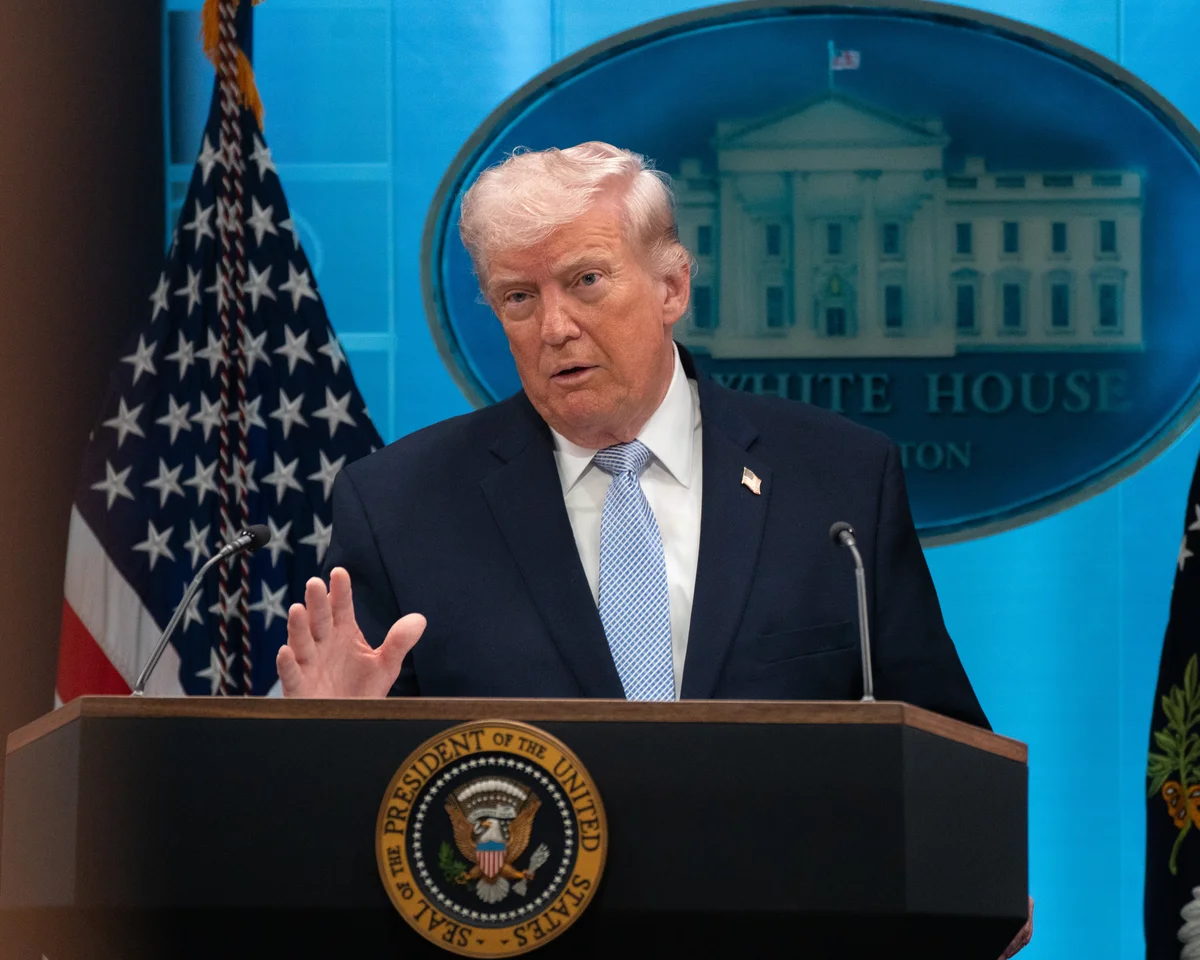
Speaking on behalf of the administration of Donald Trump, White House spokeswoman Karoline Leavitt confirmed that a 10-point plan submitted by Iran is being considered a credible framework for continued diplomatic engagement.
“The 10-point plan submitted by Iran to end the conflict provides a basis for further negotiations,” Leavitt said.
“President Trump’s words speak for themselves: this is a workable basis to negotiate, and those negotiations will continue,” she added.
The development comes amid heightened global attention on the strategic Strait of Hormuz, a critical corridor for international oil and gas shipments. The reopening of the strait, which had been at the center of rising tensions, is being attributed by U.S. officials to direct intervention by the Trump administration.
Leavitt emphasised that the reopening of the Strait of Hormuz, a key route for global oil and gas trade, was due to Trump’s efforts.
She said the president, working with the U.S. military, “got Iran to agree to reopening” the waterway.
Diplomatic sources indicate that both nations moved toward a ceasefire just hours before the expiration of a deadline set by Trump. The U.S. president had warned of significant military action targeting Iran’s energy infrastructure if the waterway remained closed beyond 0000 GMT on Wednesday.
In a rapid sequence of events, both Washington and Tehran announced a truce shortly before the deadline elapsed, easing immediate fears of escalation in the region.
Further reinforcing the administration’s stance, Trump took to his social media platform, Truth Social, to reiterate confidence in the proposal, describing Iran’s plan as a “workable basis” for negotiations.
While uncertainties remain, the latest developments suggest a renewed window for diplomacy—one that could ease geopolitical tensions and stabilize global energy markets if sustained.
