

Cuba Halts Aircraft Refuelling as US Oil Sanctions Trigger Fuel Crisis

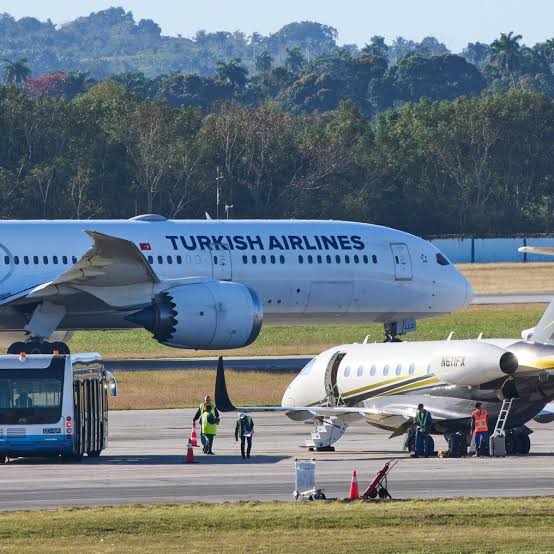
Cuba has announced that airlines will no longer be able to refuel at major airports across the island, as a deepening fuel shortage linked to US sanctions and an oil blockade pushes the country into a new energy crisis.
The Cuban government issued official notices to airlines and pilots on Sunday night, warning that jet fuel would not be available at nine airports nationwide including José Martí International Airport in Havana from Tuesday until March 11.
Aviation authorities said the island is running out of aviation fuel, marking the latest disruption caused by the US-led oil blockade, which has effectively cut off Cuba’s access to key petroleum supplies from Venezuela and Mexico.
The impact on air travel was immediate. Air Canada announced the suspension of its flights to Cuba on Monday, while other carriers introduced delays and refuelling stopovers in the Dominican Republic and Mexico before continuing on to Havana.
A commercial pilot described the situation as highly unusual, noting that while fuel shortages have occurred before, an official nationwide notice of this scale is rare even for a country accustomed to recurring crises. He recalled that during similar disruptions more than a decade ago, long-haul flights to Europe were forced to refuel in Nassau, Bahamas. Regional carriers are now carrying extra fuel or diverting to Cancun or the Dominican Republic for refuelling.
Cuban authorities have not indicated how long the restrictions will last, and no formal public statement has been issued beyond the aviation notices.
US sanctions deepen economic pressure
The aviation fuel shortage is the latest blow to Cuba’s fragile economy, which depends heavily on tourism — an industry that once generated more than €2.5 billion annually and served as a major source of foreign income.
US sanctions, in place for over 60 years, have long constrained Cuba’s economy but have intensified in recent months following a shift in Washington’s policy toward Latin America. In late January, President Donald Trump signed an executive order imposing tariffs on goods from countries that supply oil to Cuba.
Since a recent US operation targeting Venezuela, Trump has publicly declared that Venezuelan oil shipments to Cuba would cease, further tightening the country’s access to energy supplies.
Following Cuba’s announcement, US Defence Secretary Pete Hegseth said American forces had boarded a sanctioned tanker in the Indian Ocean after tracking it from the Caribbean as part of an oil quarantine aimed at pressuring Venezuela.
Worsening energy emergency
The fuel crisis has already forced the suspension of major national events, including the Havana International Book Fair, and led to the restructuring of Cuba’s national baseball season. Banks have reduced operating hours, cultural activities have been cancelled, and fuel distributors have stopped selling petrol in Cuban pesos, switching to dollar-only sales capped at 20 litres per customer.
Public transport in Havana has been severely disrupted, leaving residents stranded, while widespread power outages — lasting up to 10 hours in some areas — continue to affect daily life. Long fuel queues, food shortages, and limited access to medicine are becoming increasingly common.
For many Cubans, the current situation echoes the “Special Period” of the 1990s, a severe economic depression that followed the collapse of Soviet support, raising fears that the country is entering another prolonged humanitarian and economic emergency.
