

Cuba Turns to Turkish Floating Power Ship as Energy Crisis Persists

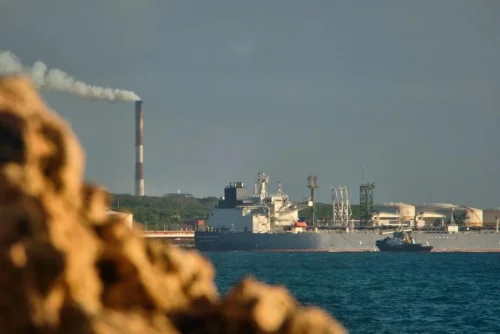
Cuba is ramping up efforts to stabilize its struggling supply with the return of a Turkish floating power plant, as authorities continue to grapple with fuel shortages and grid instability.
The vessel, Belgin Sultan, operated by Karadeniz Holding, is part of a broader strategy by the Cuban government to restore electricity generation. Officials did not specify when the ship arrived or its exact operating location.
Havana has adopted a multi-pronged approach to address its energy crisis, combining renewable energy expansion—particularly solar—with increased reliance on imported fuel. Recent shipments from Russia have played a key role, including 700,000 barrels of crude delivered by the tanker Anatoly Kolodkin to the port of Matanzas. Another shipment is reportedly on the way, according to Russian Energy Minister Sergei Tsivilev.
In a statement cited by Turkish media, Karadeniz Holding said the deployment does not represent a new investment but a restart of suspended operations. The company explained that earlier disruptions were caused by fuel shortages, and that improved supply conditions have allowed existing power ships to resume activity.
Karadeniz described the project as humanitarian in nature, aimed at helping meet essential electricity needs across the island.
The company operates a unique fleet of floating power plants—known as “Powerships”—designed to deliver rapid, flexible electricity generation. The Belgin Sultan can run on liquefied natural gas or diesel and has a capacity of up to 76 megawatts, enough to power thousands of homes as well as key infrastructure.
Cuba has previously relied on such जहाज़-based solutions during periods of acute energy shortfall. At one point, as many as eight floating power units were operating simultaneously, according to local reports.
However, the model has proven costly. The last Turkish powership left Cuba in May 2025 after authorities struggled to meet operating expenses. Estimates at the time suggested a single vessel could cost as much as $172,800 per day to run, with electricity generation costs around $0.09 per kilowatt-hour.
The return of the Belgin Sultan underscores both the urgency of Cuba’s ongoing energy challenges and its dependence on external partners to keep the lights on.
