
Economist Warns FG May Face Pressure to Reintroduce Petrol Subsidy

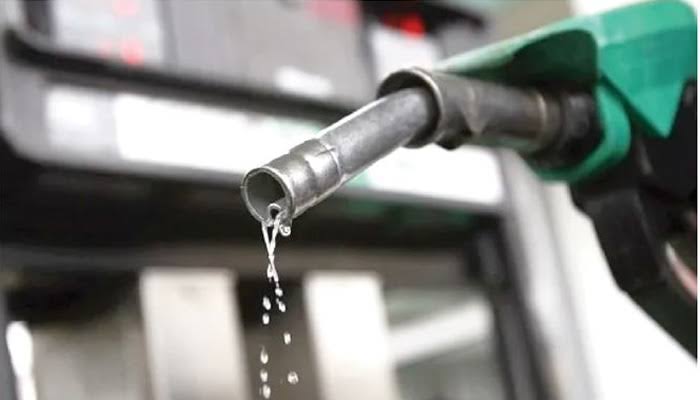
An economist, Emmanuel Eche, has warned that the Federal Government may soon face renewed pressure to subsidise the pump price of Premium Motor Spirit (PMS) following developments in the global oil market.
Eche, a Senior Lecturer in the Department of Economics at Federal University Wukari, stated this in an interview with the News Agency of Nigeria (NAN) on Tuesday in Abuja.
He said the potential pressure could arise from the closure of the Strait of Hormuz, a strategic waterway between Iran and Oman through which about one-fifth of the world’s crude oil supply passes daily.
According to him, the disruption has triggered concerns in the global shipping industry, with the International Maritime Organization reporting that more than 3,000 vessels and about 20,000 seafarers were stranded in the Middle East amid the ongoing conflict involving the United States, Israel and Iran.
Eche noted that the closure of the crucial global shipping corridor at the entrance to the Persian Gulf followed threats of strikes from Iran and other actors in the region.
He explained that although Nigeria could benefit from rising crude oil prices, the development also carries economic risks.
The economist said the surge in Brent crude to over 90 dollars per barrel could boost Nigeria’s revenue and improve foreign exchange earnings.
However, he warned that the country’s heavy reliance on imported refined petroleum products means higher global oil prices could push up PMS costs, fuel inflation and put additional pressure on the naira.
“Nigeria’s economy remains vulnerable to oil price volatility, and the government may face renewed pressure to subsidise petrol prices,” he said.
Eche added that the disruption to global oil supply, which affects about 20 per cent of daily production, could also increase transportation costs and negatively impact Nigeria’s imports and exports.
He said the International Energy Agency is monitoring the situation and may release emergency oil reserves if necessary.
According to him, while higher oil prices may strengthen government revenue and foreign reserves, the closure of the Strait of Hormuz poses serious risks including inflation, currency pressure and disruptions to trade.
He urged the government to consider stabilisation measures such as drawing from strategic reserves or introducing temporary subsidies to cushion the impact of rising fuel prices.
Eche also advised the Central Bank of Nigeria to review its monetary policies to manage possible inflationary pressures.
He noted that Nigeria is exploring ways to increase oil production and exports after recently exceeding its quota under the Organization of the Petroleum Exporting Countries.
According to him, the government is also working toward diversifying the economy to reduce dependence on oil and strengthen other sectors.
The Nigerian National Petroleum Company Limited currently sells PMS at about N960 per litre, while other petrol stations sell between N960 and above N1,250 per litre.
