

EU Set to Delay Mercosur Trade Deal as French Farmers Block Roads in Protest

The European Union is likely to delay a long-negotiated free-trade agreement with South America as protests by French farmers intensify opposition to the deal.
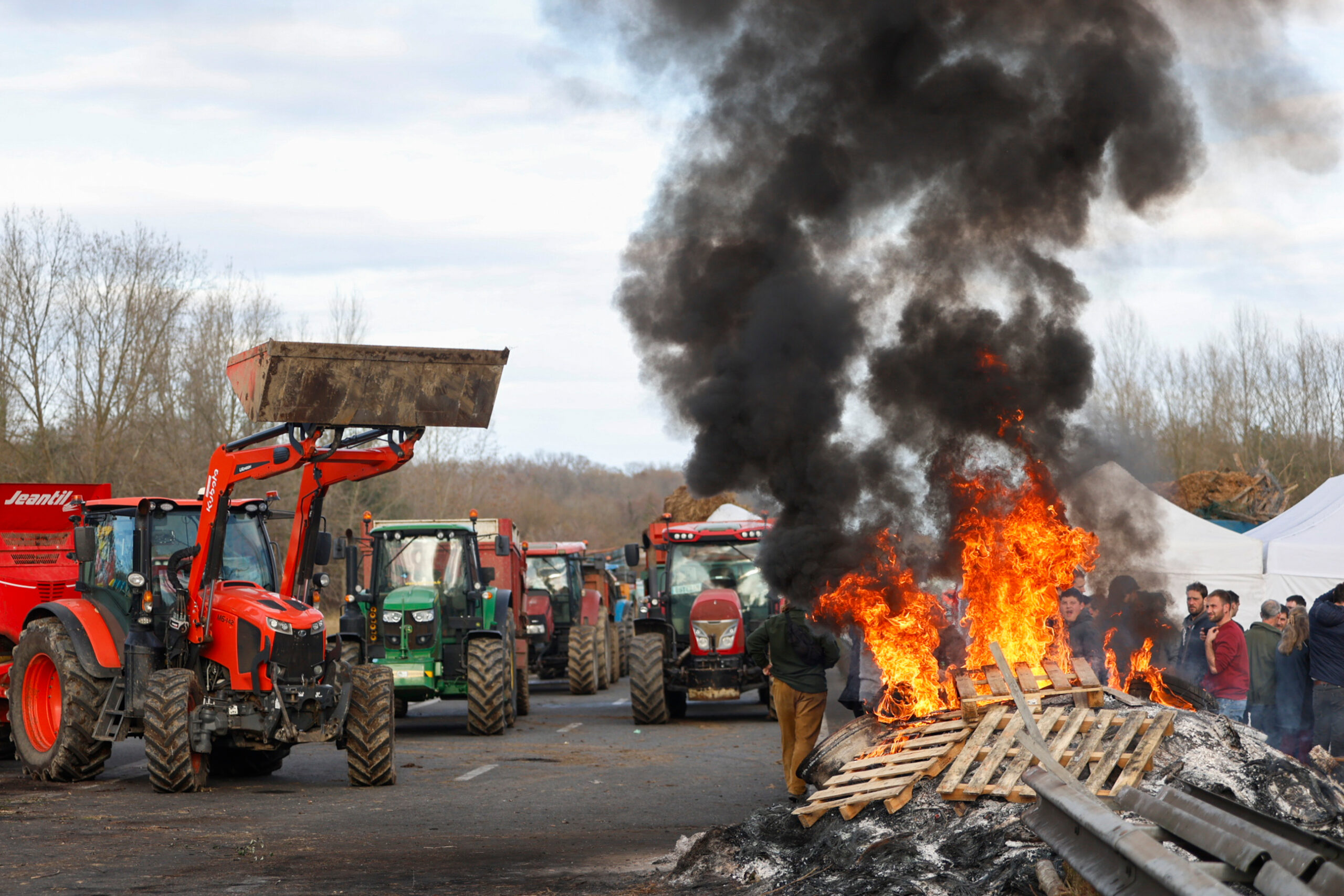
Farmers across France have taken to the streets this week, using tractors to block major roads and erect makeshift barricades in a bid to pressure the French government to halt progress on the agreement between the EU and the Mercosur bloc. The pact involves Brazil, Argentina, Uruguay, Paraguay and Bolivia and would gradually remove tariffs on nearly all goods traded between the two regions over a 15-year period.
Negotiated over 25 years, the deal would create a market of about 780 million people, accounting for roughly a quarter of global GDP once ratified. However, strong resistance from France and other EU countries with large agricultural sectors is threatening to push back its implementation.
EU lawmakers voted on Tuesday to advance the agreement by adding new safeguards and approving concessions proposed by the European Commission to protect farmers. Despite this, French officials say key demands have not been met, making a delay increasingly likely.
In France, opposition to the trade deal has been fuelled by wider rural discontent, including anger over falling farm profits and government-ordered culling of cattle following outbreaks of lumpy skin disease. Protesters have piled up straw bales, tyres and produce on roads, with some barricades set ablaze, creating striking images of rural unrest.
Speaking from a tractor blockade outside Paris, aspiring farmer Loïc Rivière said the protests were about safeguarding livelihoods in the face of rising competition, globalisation and disease. He said farmers felt ignored despite playing a vital role in society.
Some protesters are expected to travel to Brussels to demonstrate as EU leaders meet to discuss the Mercosur deal alongside other major issues, including funding for Ukraine.
France has called for stronger safeguards to prevent economic disruption, stricter environmental and pesticide standards for Mercosur countries, and tougher inspections of imports at EU ports. French Minister for European Affairs Benjamin Haddad said the bloc should stop being “naive” and protect European agriculture from unfair competition.
France is backed by other sceptical member states, including Poland and Ireland, with Irish officials indicating the deal may be delayed until January.
Despite the resistance, support for the agreement remains strong in the European Parliament. Lawmakers voted 431-161, with 70 abstentions, to move the deal forward, with supporters arguing it would strengthen the EU’s geopolitical position and reduce dependence on China, Russia and the United States.
European Commission President Ursula von der Leyen remains committed to signing the agreement but requires the backing of at least two-thirds of EU member states. It remains unclear whether France can rally enough allies to block the deal, even as a delay now appears increasingly likely.
