

Hungary Threatens Political, Financial Pressure on Ukraine Over Druzhba Oil Pipeline Shutdown

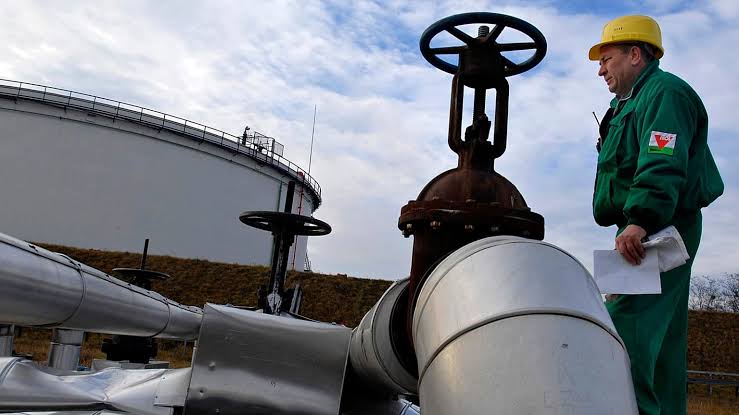
Hungarian Prime Minister Viktor Orbán has vowed to deploy “political and financial tools” to compel Ukraine to restore crude oil flows through the Druzhba oil pipeline, a major route for Russian oil supplies to Hungary and Slovakia.
The dispute intensified on Friday after Ukraine accused Hungary of briefly detaining a group of Ukrainian bank employees transporting about 40 million dollars and nine kilogrammes of gold through Hungarian territory.
Ukraine’s Foreign Minister Andriy Sybiha described the action as Hungary taking the group “hostage.” Hungarian authorities later clarified that the individuals would be deported back to Ukraine following a short detention.
Hungary’s National Tax and Customs Administration said seven Ukrainian citizens were detained on Thursday, including a former Ukrainian intelligence general, along with two armoured cash transport vehicles. The agency said it had launched criminal proceedings on suspicion of money laundering.
Following the incident, Ukraine issued a travel warning advising its citizens to avoid visiting Hungary, citing concerns about “arbitrary actions” by Hungarian authorities and an inability to guarantee their safety.
Speaking earlier at a business conference, Orbán issued a strong warning to Ukraine over the pipeline dispute, declaring that Hungary would not compromise on the matter.
“We will defeat the oil blockade and force the Ukrainians to resume shipments,” he said.
Hungary and Slovakia remain the last members of the European Union still importing Russian crude through the Druzhba pipeline. Both countries claim the disruption is linked to their reluctance to fully support aid initiatives for Ukraine.
Hungary depends on the pipeline for about 86 percent of its annual oil supply of roughly 5.75 million tonnes, while Slovakia relies on it for nearly all of its 4.66 million tonnes.
To cushion the impact of the shutdown, the two countries have turned to reserves and more costly supplies transported via the Adriatic pipeline through Croatia. However, regional refiner MOL Group has warned that prolonged disruption could trigger supply shortages.
The pipeline dispute comes ahead of Hungary’s snap parliamentary election scheduled for April 12, with Orbán’s ruling Fidesz party reportedly trailing the opposition Tisza Party led by Péter Magyar in recent opinion polls.
Tensions between Budapest and Kyiv have also been heightened by Orbán’s recent veto of a 90-billion-euro European Union loan package for Ukraine and his opposition to additional sanctions against Russia.
The dispute underscores broader challenges faced by Central European countries seeking to reduce reliance on Russian energy supplies following Moscow’s invasion of Ukraine. In June 2022, the European Union granted Hungary, Slovakia, Czechia and Bulgaria temporary exemptions from a ban on Russian crude, allowing continued deliveries through the southern Druzhba pipeline while they gradually diversified their energy sources.
Analysts say the ongoing standoff highlights the region’s lingering dependence on Russian oil and the political tensions it continues to generate across Europe.
