

Marcos Declares Energy Emergency as Middle East Conflict Threatens Philippines’ Oil Supply

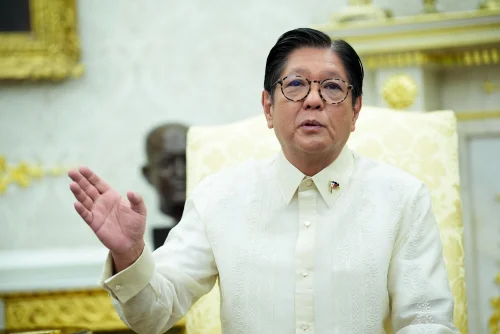
President Ferdinand Marcos Jr. has declared a national energy emergency in the Philippines, citing growing risks to the country’s oil supply and energy security stemming from the ongoing conflict involving Iran, the United States and Israel.
The declaration, signed through an executive order on Tuesday, grants the president emergency powers under the Department of Energy Act to implement fuel allocation strategies and enforce energy conservation measures nationwide.
As part of the directive, the Department of Energy has been tasked with safeguarding domestic supply stability, including cracking down on hoarding, profiteering and supply manipulation. The order also introduces a whole-of-government response framework aimed at ensuring uninterrupted delivery of essential services and sustaining economic activities.
To fast-track procurement, the government is now permitted to make advance fuel payments exceeding 15 percent of contract values, allowing for quicker and more flexible purchasing arrangements.
The move comes as the Philippines—heavily reliant on imported oil, with about 98 percent sourced from the Middle East—faces surging fuel prices triggered by the escalating conflict. According to government data, current reserves can last approximately 53 days for gasoline, 46 days for diesel, 38 days for jet fuel, and about 23 and a half days for liquefied petroleum gas.
Since the conflict began in late February, the Marcos administration has rolled out measures to cushion the impact of rising energy costs, including coordinating fuel price adjustments with oil firms and mandating remote work for some government employees one day per week.
In a statement, the Presidential Communications Office warned that the crisis is driving volatility in global energy markets, disrupting supply chains and placing upward pressure on oil prices, thereby threatening national energy security.
“As a net importer of petroleum products, the Philippines remains highly dependent on external fuel sources and is vulnerable to global supply disruptions,” the statement said.
Meanwhile, labour group Kilusang Mayo Uno criticised the government’s response, accusing it of failing to adequately address the economic hardship faced by citizens.
Its chairman, Jerome Adonis, argued that the administration had downplayed the severity of the crisis and failed to implement measures such as wage increases or guarantees to stabilise fuel prices.
He warned that temporary interventions would offer little relief, saying rising petroleum costs would ultimately outweigh any short-term solutions.
