

Middle East Conflict Disrupts Supply Routes, Threatens India’s Fertiliser Supply Chain

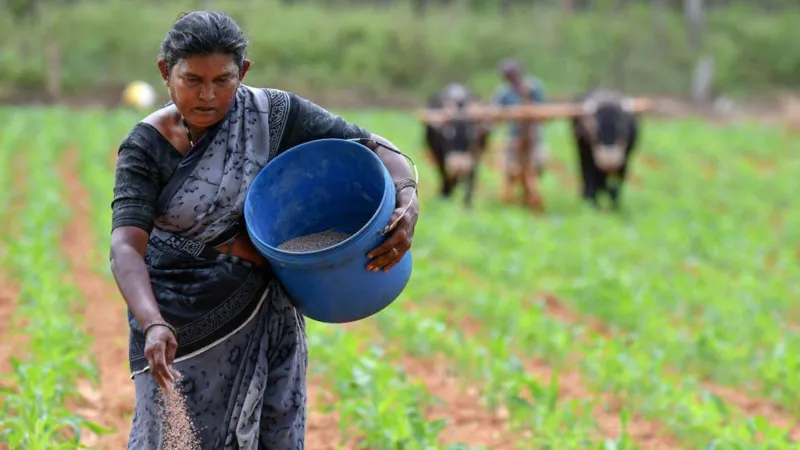
India’s fertiliser supply chain is facing mounting pressure as ongoing conflict in the Middle East disrupts key shipping routes, raising concerns over potential impacts on agricultural output and food prices.
As the world’s second-largest fertiliser consumer after China, India relies heavily on imports of both raw materials and finished products. A significant portion of these supplies transit through the Strait of Hormuz, where shipping activities have been affected by the crisis.
Prime Minister Narendra Modi has assured that measures are in place to safeguard supplies and shield farmers from disruptions. However, analysts warn that while current stock levels may suffice for the upcoming planting season, prolonged instability could strain availability.
Nitrogen-based fertilisers such as urea—widely used in cultivating staple crops like rice and wheat—remain critical to India’s agricultural sector. The country consumes nearly 40 million tonnes annually, with usage heavily supported by government subsidies.
Farmers in major grain-producing states such as Punjab and Haryana report stable supply for now as they prepare for the June–July sowing period. However, concerns persist over how long stocks will last if disruptions continue.
Government data indicates that India held approximately 6.2 million tonnes of urea as of mid-March—levels considered adequate under normal conditions for the monsoon cropping season, which runs from June to September.
Experts caution that the situation could worsen if supply chain disruptions persist. Siraj Hussain, a former agriculture secretary, warned that domestic production is likely to be affected, urging authorities to prepare for possible shortages during the monsoon harvest.
India’s fertiliser production is closely tied to natural gas, about 85% of which is imported—largely from Gulf countries. Industry sources reveal that fertiliser plants are currently operating with only around 70% of their gas requirements following recent government directives, forcing some manufacturers to scale back production.
According to Alberto Persona, short-term disruptions of up to four weeks could be managed through alternative sourcing or domestic output. However, extended interruptions would pose more serious risks.
The strain is not limited to India. Global fertiliser and energy prices have surged in recent weeks, increasing costs for producers and farmers alike. While immediate effects on crop yields may be limited, experts warn that prolonged supply constraints could influence future harvests.
Additionally, rising global prices could inflate India’s fertiliser subsidy bill, as the government works to maintain controlled rates for farmers.
Agriculture Minister Shivraj Singh Chouhan has directed officials to ensure fair and uninterrupted distribution across the country.
Analysts note that while supply chains could stabilise if shipping resumes soon, the outlook remains uncertain, with market expectations likely to play a key role in determining future food price trends.
