


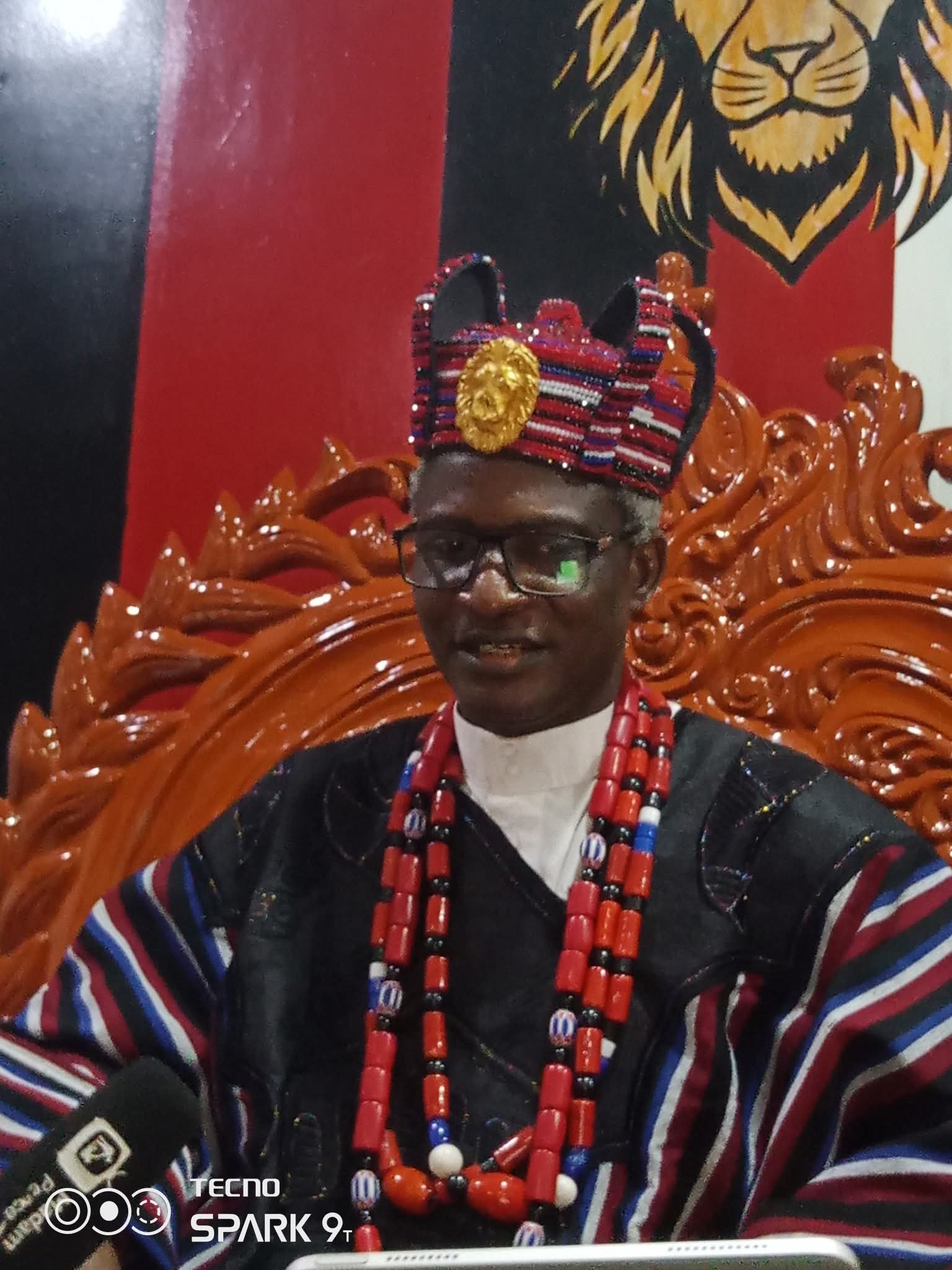
The Och’Idoma, His Royal Majesty Agaba’idu Elaigwu Odogbo Obagaji John, PhD, CON, has formally declared December 23 as Idoma Day, to be celebrated annually by Idoma people across the world, as part of far-reaching measures to preserve, protect and project Idoma cultural heritage.
The monarch made the declaration in an address at the Idoma Cultural Day celebration held on December 23, 2025, under the framework of the Idoma International Carnival. He said activities marking Idoma Day would henceforth commence every year from December 21 and culminate on December 23, with the Och’Idoma Palace designated as the central venue for the celebrations.
According to him, the Palace Square would be upgraded and rebranded to international standards to serve as a befitting cultural hub for Idoma Day and other major heritage events. He called on well-meaning Idoma sons and daughters, corporate bodies and friends of the Idoma Nation to support the project.
The royal father described Idoma Cultural Day as more than a celebration of colour and spectacle, but a deliberate platform to affirm identity, renew values and reconnect the past, present and future of the Idoma people. He warned that “a people without culture lose their bearings, and a people without memory risk losing their future.”
The Och’Idoma commended Ochetoha K’Idoma for providing purposeful leadership and particularly praised its President General, Professor Yakubu Aboki Ochefu, for establishing a new partnership and taking responsibility for the 2025 celebration. He also acknowledged Chief Dr Edwin Ochai, President of the Idoma Association in the United States of America, for sustaining the Idoma International Carnival for 13 years largely with personal resources.
The monarch further highlighted the importance of cultural cooperation beyond Idoma land, citing growing ties with the Ondo Kingdom and the Tiv Nation as examples of healthy cultural exchange and peaceful coexistence. He described the conferment of Tiv chieftaincy titles on Chief Dr Paul Edeh, Oojela K’Idoma, and his wife as a seal of friendship that should yield greater peace and progress in Benue State.
Addressing challenges confronting Idoma heritage, the Och’Idoma identified insecurity and displacement, language erosion, cultural shame among the youth, leadership fragmentation, poor documentation and social media ridicule as major threats. He outlined clear pathways for response, including strengthened community vigilance, deliberate language teaching in homes and diaspora communities, restoration of cultural pride, institutional alignment and comprehensive documentation of Idoma heritage.
He announced that documentation of Idoma culture would commence immediately, covering performances, proverbs, rituals, costumes and oral histories, with plans to establish a physical and digital Idoma cultural archive.
To give structure and sustainability to cultural development, the Och’Idoma announced the establishment of an Idoma Cultural Endowment Fund to finance documentation, language initiatives, youth programmes, cultural troupes and heritage sites. He also instituted the Royal Order of Cultural Merit and the Palace Roll of Honour to recognise outstanding contributions to Idoma culture, alongside plans for a unified Idoma cultural brand and insignia.
The monarch said cultural competitions would be introduced in primary and secondary schools across Idoma land to promote language, storytelling, arts, crafts and traditional music, while efforts would be made to secure international recognition for unique Idoma cultural elements.
Highlighting the role of food as cultural diplomacy, the Och’Idoma identified Okoho soup as the flagship Idoma delicacy, alongside Okpehe seasoning, Okpehe rice and other traditional meals and beverages, which he said would be packaged and promoted globally through festivals, documentation and cultural restaurants.
He also directed that all branches of Ochetoha K’Idoma worldwide must operate under one harmonised name and identity, stressing that unity was essential for cultural strength and global relevance.
As troupes from Otukpo, Obi, Oju, Apa, Ado, Ohimini, Ogbadibo, Agatu and Okpokwu performed, the monarch charged the Idoma people to embrace unity, restore language, protect heritage and project their image with dignity.
He concluded by blessing the cultural renewal and reaffirming the resolve of the Idoma Nation to stand firm in identity, unity and purpose.
