

Petrol Price Hikes Hit Nigeria’s Poorest Hardest – Agora Think Tank Warns

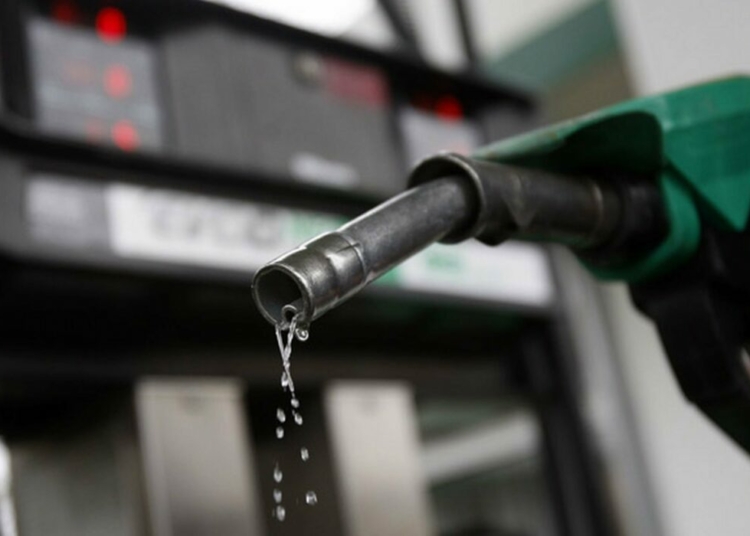
A new report by Agora Policy has warned that recent economic reforms in Nigeria including petrol subsidy removal and the floating of the naira are placing the heaviest burden on the country’s poorest households.
The study was presented by Mohammed Shuaibu of the Department of Economics at University of Abuja during the Agora Policy Stakeholders Dialogue held in Abuja on Thursday.
According to the report, petrol prices have surged from an average of about N161 per litre to more than N1,200, while electricity tariffs in some areas have increased from around N68 to about N225 per unit.
“These changes have significantly increased the cost of living across the country,” Shuaibu said, noting that the cost of a healthy meal rose from about N515 in mid-2023 to roughly N1,611 by July 2025.
The report found that transport fares between cities have nearly doubled, forcing many households to adopt coping strategies such as trekking longer distances, reducing the number of daily meals, and limiting electricity consumption.
It added that vulnerable groups—including children, women and the elderly—are the most affected, with many families resorting to borrowing money just to purchase food.
Small businesses and farmers are also struggling as rising fuel and electricity costs push up operating expenses. Some business owners told researchers they had increased prices, laid off workers, or shut down operations in order to survive.
The study further noted that government relief measures, including N75,000 cash transfers and the recently introduced minimum wage increase, reached many beneficiaries late and were insufficient to offset the rising costs of food, housing and healthcare.
Shuaibu urged the government to implement major reforms gradually and ensure support measures are in place before policy changes take effect. He also recommended improving the national social register to enable faster assistance to vulnerable households and introducing tax incentives for the transport and agricultural sectors to help reduce food and travel costs.
The think tank also called for clearer communication from the government about the reasons behind the reforms while acknowledging the hardships citizens face.
