

Powering a New Nigeria: Tinubu’s Bold Move to Clear ₦3.3 Trillion Debt Sparks Hope for Stable Electricity

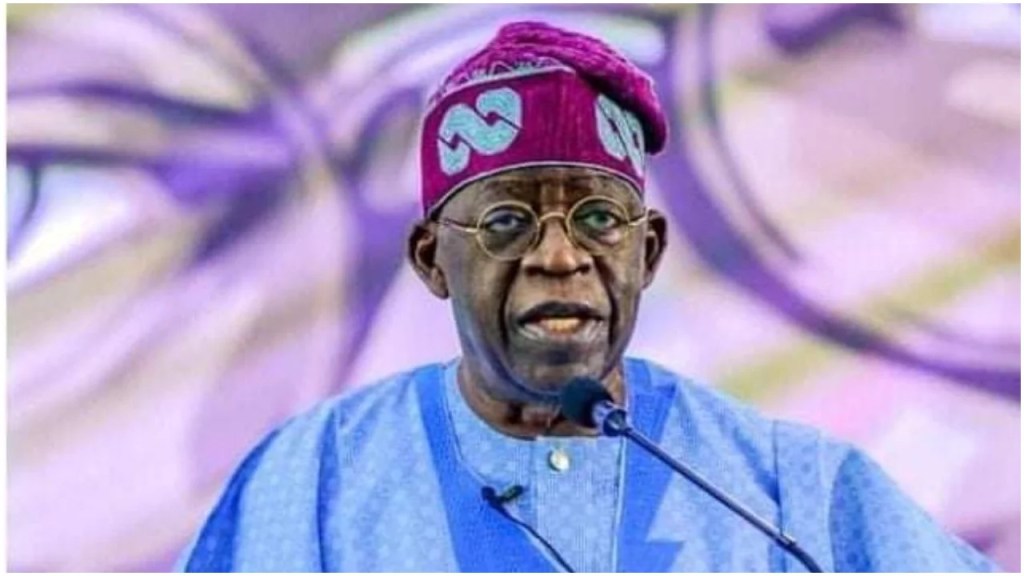
Nigeria may be on the brink of a long-awaited turnaround in its troubled power sector following a decisive intervention by President Bola Ahmed Tinubu to resolve legacy debts that have weighed heavily on the industry for over a decade.
In a move widely seen as both strategic and timely, the Federal Government recently approved a structured repayment plan under the Presidential Power Sector Financial Reforms Programme. The initiative targets outstanding obligations accumulated between 2015 and 2025, with a verified ₦3.3 trillion agreed as a full and final settlement.
Already, implementation is underway. Fifteen power generation companies have signed settlement agreements worth ₦2.3 trillion, while the government has raised ₦501 billion to kick-start the process. Of this amount, ₦223 billion has been disbursed, signaling early momentum in what stakeholders describe as a critical reform effort.
Industry observers note that the burden of unpaid debts has long stifled the performance of Nigeria’s electricity value chain, leaving generation companies underfunded and gas suppliers unpaid. The result has been persistent instability, erratic supply, and widespread frustration among consumers.
The Tinubu administration’s intervention, however, is being positioned as a turning point.
By addressing these financial bottlenecks, the government aims to restore operational confidence across the sector. With improved liquidity, power plants are expected to increase generation capacity, while better payment assurance could incentivize gas supply—two key elements required to stabilize electricity delivery nationwide.
“This programme is not just about settling legacy debts. It is about restoring confidence across the power sector,” said energy adviser Olu Arowolo-Verheijen, emphasizing that the reforms are part of a broader strategy to reposition the industry.
Beyond debt settlement, the government is also advancing complementary measures, including improved metering systems and service-based tariffs designed to align electricity costs with quality of supply. There is also a renewed focus on prioritizing power for businesses and industries, a move aimed at stimulating economic growth and job creation.
For millions of Nigerians, the promise of these reforms lies in a simple expectation: reliable electricity.
However, analysts caution that policy approval alone will not solve the sector’s challenges. The real test lies in execution. Regulatory agencies, distribution companies, and other stakeholders must ensure that the financial injections translate into tangible improvements in power supply.
Consumers, long burdened by inconsistent electricity, will be watching closely.
From households seeking stable lighting to small businesses struggling with high energy costs, expectations are high that this intervention will mark the beginning of a more dependable power system.
As Nigeria pushes forward with the next phase of the programme, the message is clear: reform must deliver results.
If successfully implemented, this bold step by President Tinubu could redefine the trajectory of the nation’s power sector—transforming it from a longstanding liability into a catalyst for economic growth.
For now, hope is rising that, at last, Nigeria may be ready to power its future.
