

Stakeholders urge ethical reporting on children

Stakeholders in child rights protection have urged journalists to avoid reports that harm or stigmatise children while covering related issues.
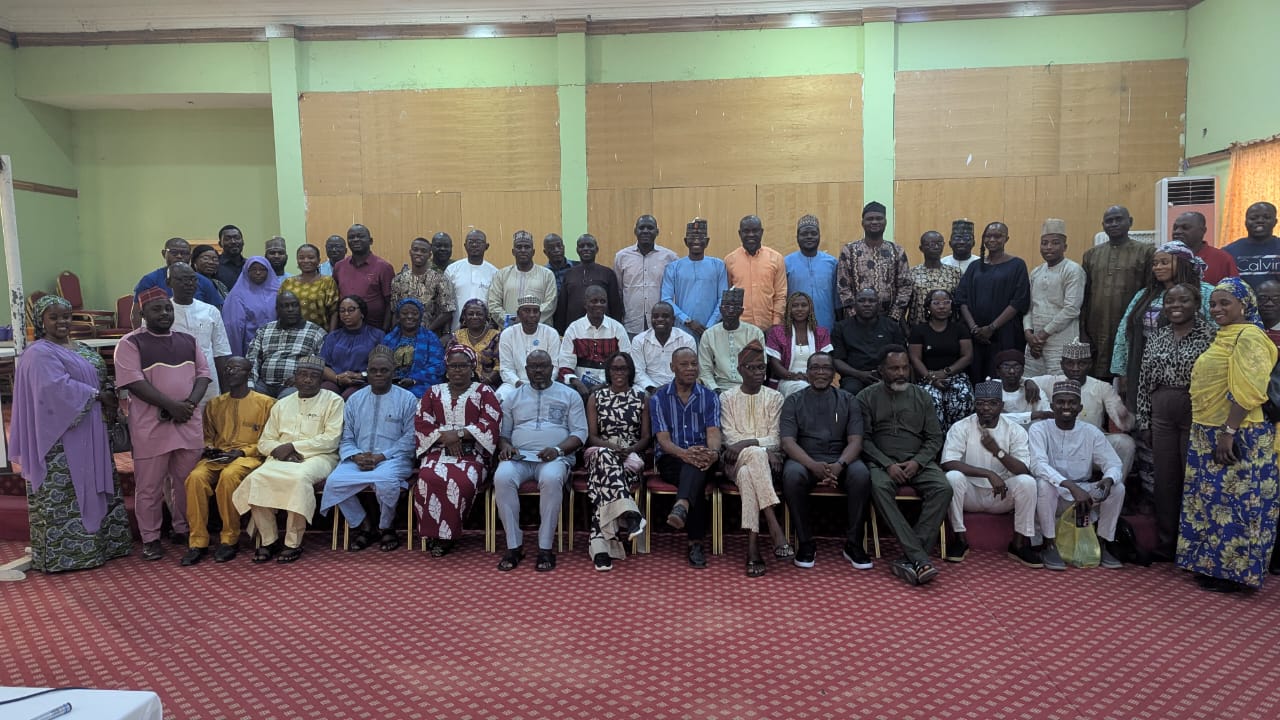
They made the call on Tuesday in Gombe during a two-day training on ethical journalism and child rights reporting for journalists in the North-East.
The training was organised by the Federal Ministry of Information and National Orientation in collaboration with the United Nations Children’s Fund.
Mr Nansel Nimyel, a facilitator, said the training aimed not only to amplify children’s issues but ensure responsible and ethical coverage.
Nimyel said reporting on children must always prioritise their best interests and safeguard their dignity and welfare.
He noted that children and adolescents deserved adequate media attention in spite of limited coverage of their issues.
He urged journalists to move beyond reporting by considering how stories are framed and the potential consequences of exposure.
He said: “A central concern in ethical reporting is avoiding further harm to children.
“Many featured children are already vulnerable due to trauma from conflict, abuse, or social challenges such as bullying.
“In such contexts, insensitive reporting can worsen suffering, causing re-traumatisation, stigma, or long-term psychological harm.
“The journalist’s role extends beyond information dissemination to protecting the child’s dignity and welfare.”
Another facilitator, Dr Jide Johnson, stressed balancing public interest with child protection in all reports involving children.
Johnson urged journalists to act responsibly in ways that protect children’s dignity and future.
Sussan Akila, a Communication Specialist with the United Nations Children’s Fund, urged prioritising children’s safety, well-being and development in reports.
Akila said journalists’ reports could either make survivors feel safe or expose them to further harm.
“It starts with the footage we capture of survivors within our communities affected by conflict.
“It also includes the photographs and headlines we use; they can either support or harm those affected,” she said.
The News Agency of Nigeria (NAN) reports that at least 60 journalists participated in the training.
