

Trump signs 10% global tariff order after Supreme Court blocks emergency levies

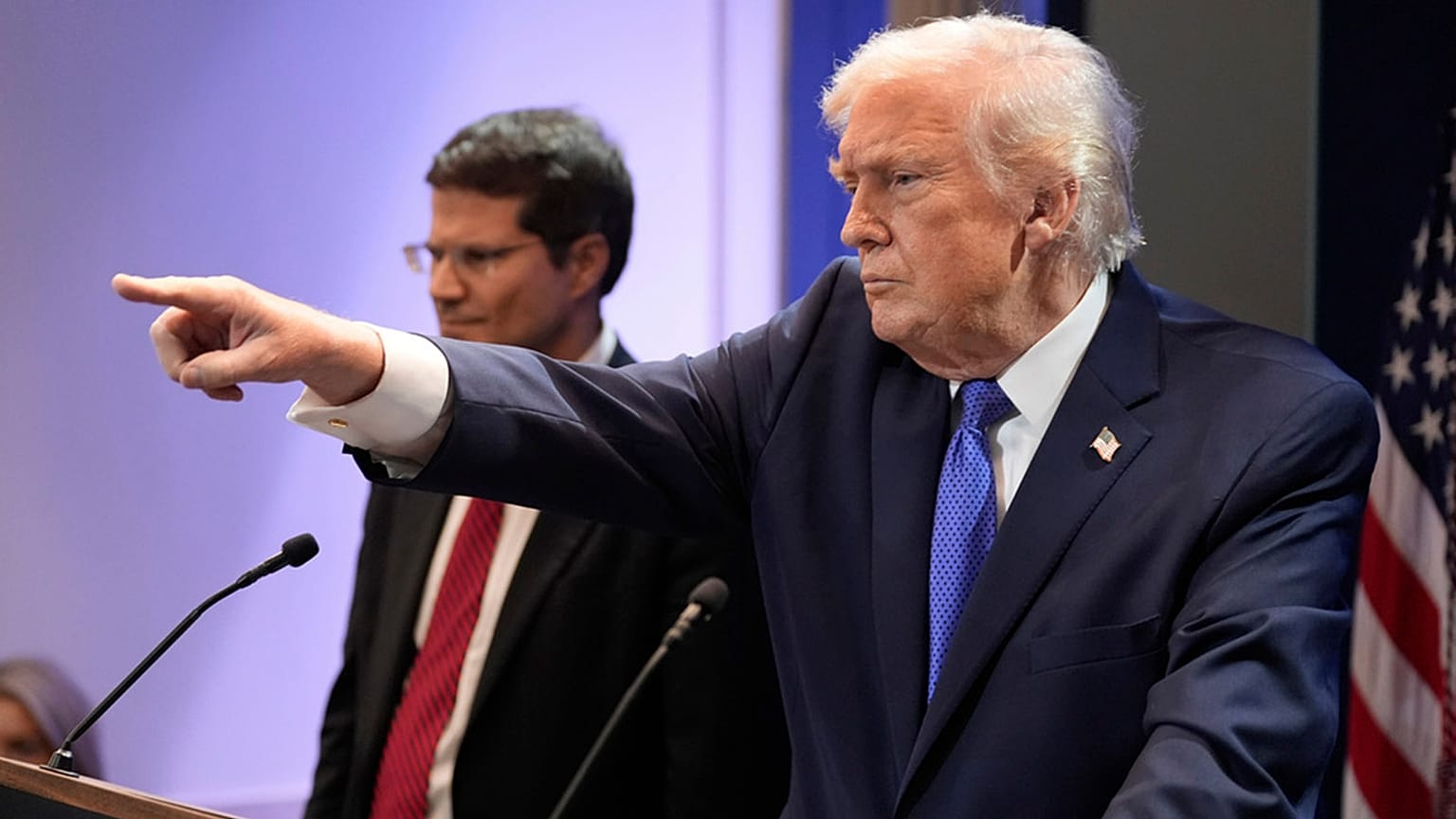
US President Donald Trump has signed an executive order imposing a flat 10% tariff on foreign goods, moving swiftly to preserve his trade agenda after the United States Supreme Court struck down many of his previous tariffs.
The new global tariff, announced from the Oval Office, is scheduled to take effect at 00:01 Washington time on February 24, according to a fact sheet released by the White House.
Trump said the measure would apply to imports from all countries, describing it as a necessary step to protect US trade interests after the court ruled against his earlier use of emergency powers to impose so-called “reciprocal” tariffs on dozens of trading partners.
The president is implementing the new duty under Section 122 of the Trade Act of 1974, a little-used provision that allows the president to impose tariffs unilaterally. However, the law limits the measure to 150 days, after which congressional approval would be required for any extension—posing a potential political challenge amid opposition from Democrats and some Republicans.
Earlier on Friday, the Supreme Court ruled 6–3 that Trump’s reliance on the International Emergency Economic Powers Act (IEEPA) to impose wide-ranging tariffs last year was unlawful. The decision invalidated duties placed on multiple US trading partners, including Canada, Mexico and China, and cast doubt on other tariffs applied to countries such as Brazil and India.
Alongside the new 10% baseline tariff, Trump said existing import taxes under Section 301 and Section 232 would remain in force. He also directed the Office of the US Trade Representative to launch new investigations under Section 301, which could lead to further country-specific tariffs following formal inquiries and hearings.
Trump signalled that these investigations could eventually replace the flat 10% rate and said he was considering additional tariffs on foreign cars of between 15% and 30%.
Economists estimate the move could raise the average effective US tariff rate to about 16.5%, depending on how exemptions are applied. Goods compliant with the USMCA trade agreement between the United States, Canada and Mexico, as well as some agricultural products, are expected to remain exempt under the new order.
The Supreme Court ruling has also opened the door to legal battles over refunds of previously collected tariffs. More than 1,500 companies had filed lawsuits in anticipation of the decision. While the court did not rule on refunds, Trump criticised the lack of guidance, warning the issue could remain tied up in litigation for years.
US Treasury Secretary Scott Bessent said tariff revenues would remain largely stable in 2026, arguing that the combination of Section 122 authority and existing trade laws would keep government income from tariffs “virtually unchanged,” despite the court’s decision.
