

Uganda’s Underdog Candidates Struggle for Space in High-Stakes Election Race

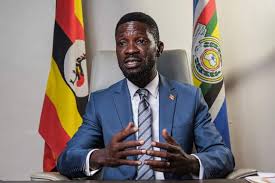
As Uganda edges closer to the 2025/26 general elections, a familiar pattern is once again shaping the presidential contest: a well-funded political heavyweight facing off against a mix of vibrant but severely under-resourced challengers.
The race features incumbent President Yoweri Museveni, who has ruled the country for decades, alongside opposition figures Nathan Nandala Mafabi and pop-star-turned-politician Robert Kyagulanyi, popularly known as Bobi Wine. While the challengers bring colour, energy and sharp criticism of the status quo, their campaigns continue to grapple with limited resources, state pressure and restricted access to key platforms.
Analysts say the imbalance in campaign financing and state machinery has long defined Uganda’s elections. Museveni’s National Resistance Movement (NRM) enjoys deep financial backing, widespread structures across the country and the advantages of incumbency. In contrast, opposition candidates rely heavily on grassroots mobilisation, social media outreach and volunteer-driven campaigns.
For Bobi Wine, whose youthful base has re-energised opposition politics in recent years, the challenge extends beyond funding. His rallies have frequently faced disruptions, while party officials complain of arrests, intimidation and logistical hurdles that slow momentum on the campaign trail. Despite this, Kyagulanyi remains one of Museveni’s most visible challengers, especially among urban voters and the youth.
Nathan Nandala Mafabi, a seasoned legislator and former opposition leader in parliament, is positioning himself as a technocratic alternative. However, his campaign struggles to gain nationwide visibility in a political environment dominated by entrenched power structures and media narratives tilted toward the ruling party.
Political observers note that while Uganda’s unfancied candidates often inject fresh ideas and debate into the electoral process, their impact is usually blunted by financial constraints and uneven enforcement of electoral rules. Many eventually find it difficult to translate popular support into votes on election day.
With months still to go, the opposition continues to call for electoral reforms, a level playing field and greater protection of civil liberties. Whether these demands will meaningfully reshape the contest remains uncertain.
For now, Uganda’s colourful challengers press on, carrying the hopes of supporters who see their campaigns not just as bids for power, but as symbols of resistance in a system stacked heavily against them.
