

UK Health Authorities Issue Fresh Alert After Nipah Virus Cases Confirmed in India

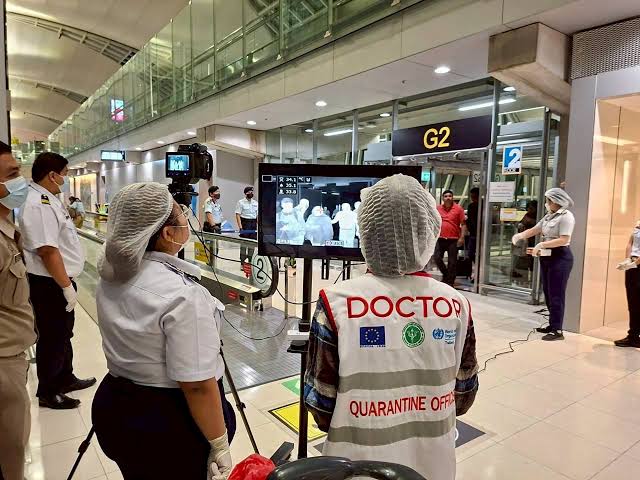
UK health authorities have issued a renewed warning following the confirmation of two cases of the deadly Nipah virus in India, prompting heightened surveillance across parts of Asia.
According to Indian officials, the infections were recorded in West Bengal, leading several neighbouring countries to tighten health screening and airport monitoring for travellers arriving from India. While experts insist the virus is unlikely to spread widely across borders, they stress the need for continued vigilance.
The UK Health Security Agency (UKHSA) said the risk to the general public in the UK remains very low, noting that no cases of Nipah virus have ever been recorded in the country. However, it advised travellers to affected regions to familiarise themselves with the disease and take appropriate precautions.
Nipah virus is a zoonotic disease that can be transmitted from animals to humans, through contaminated food, or via direct person-to-person contact. The UKHSA estimates that between 40 and 75 per cent of those infected may die, making it one of the world’s most lethal viruses.
First identified in 1999 during an outbreak among pig farmers in Malaysia and Singapore, the virus is primarily carried by fruit bats. It can also infect animals such as pigs, dogs, cats, goats, horses and sheep. There is currently no specific treatment for Nipah virus infection.
Professor Paul Hunter, an infectious disease specialist at the University of East Anglia, said the virus poses limited risk of global spread due to its low rate of human-to-human transmission. However, he warned that its long incubation period — which can range from four to 21 days — makes detection at borders difficult.
Symptoms typically begin with fever and flu-like illness, but severe cases may progress to respiratory distress, encephalitis or meningitis. Survivors can suffer long-term complications, including seizures and personality changes.
The UKHSA advised travellers to affected areas to avoid contact with bats and sick animals, refrain from consuming raw or partially fermented date palm sap, wash and peel fruits before eating, practise good hand hygiene and avoid close contact with infected individuals.
The agency added that the risk to tourists remains very low if recommended preventive measures are followed.
