
Ukrainian Olympian Disqualified from Winter Games Over Helmet Honouring War Victims

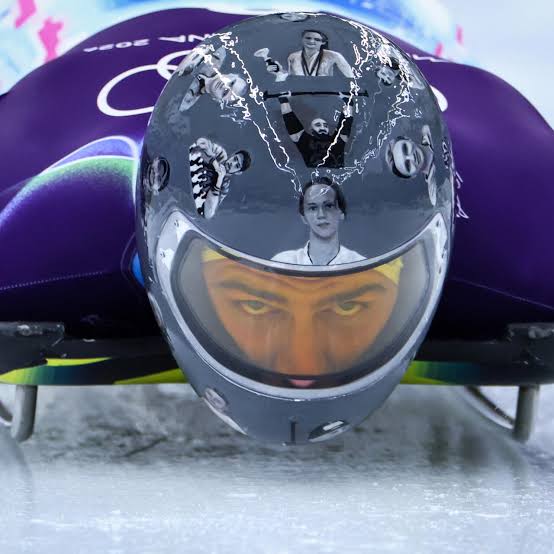
Ukrainian skeleton athlete Vladyslav Heraskevych has been disqualified from the Milan Cortina 2026 Winter Olympics after refusing a request by the International Olympic Committee (IOC) to replace a customized helmet honouring Ukrainian athletes and coaches killed in Russia’s war.
Heraskevych was barred from competing in the men’s skeleton event after a last-minute meeting with IOC President Kirsty Coventry at the top of the track on Thursday morning, about 75 minutes before the race. Despite a brief private discussion, the athlete declined to change his position and was subsequently ruled out of the competition. He later announced plans to appeal the decision at the Court of Arbitration for Sport.
“It’s hard to put into words. It’s emptiness,” Heraskevych told reporters, adding on social media that the decision was “the price of our dignity.”
Coventry, who spoke to journalists visibly emotional after the meeting, said she respected the message behind the helmet but stressed the difficulty of applying it within Olympic competition rules.
“No one is disagreeing with the message. It’s powerful, it’s about remembrance,” she said. “The challenge was finding a solution for the field of play. Sadly, we couldn’t. I really wanted to see him race.”
In a statement, the IOC said the decision was taken “with regret,” noting that multiple discussions were held in an effort to reach a compromise.
“The essence of this case is not about the message, but about where he wanted to express it,” the IOC said, stressing that it had sought “the most respectful way” to balance Heraskevych’s wishes with Olympic regulations.
Heraskevych arrived at the Games wearing a helmet featuring the faces of more than 20 Ukrainian athletes and coaches killed since the start of the war, which began shortly after the 2022 Beijing Winter Olympics. The IOC had earlier ruled that the helmet could not be used in competition, citing rules prohibiting political statements on the Olympic field of play. Despite the warning, Heraskevych wore the helmet during training sessions earlier in the week.
“The helmet does not violate any IOC rules,” he insisted.
The IOC maintained that while it supported athletes’ right to remembrance and expression, competition venues must remain free from political statements. Officials also reiterated their desire for Heraskevych to compete, describing him as a legitimate medal contender.
Heraskevych had previously drawn international attention at the 2022 Beijing Games when he displayed a “No war in Ukraine” sign after his final run — an action the IOC then described as a call for peace rather than a breach of Olympic rules.
His disqualification has now sparked renewed debate over the balance between athletes’ freedom of expression, political neutrality in sport, and the human cost of ongoing global conflicts.
