

UK’s youngest dementia patient dies at 24 after battling rare, aggressive condition

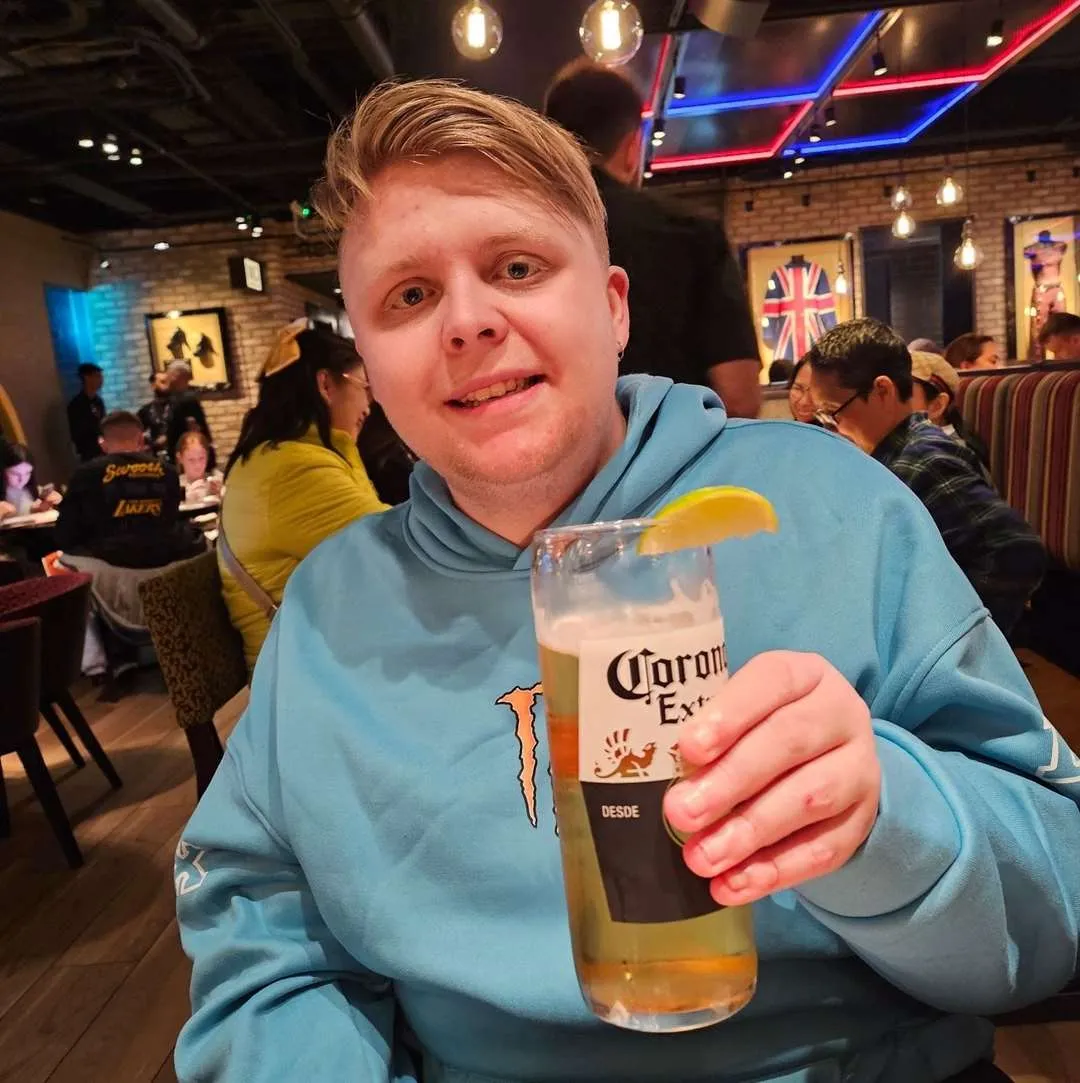
Andre Yarham, believed to be the youngest person in the UK to be diagnosed with dementia, has died at the age of 24 after a two-year battle with a rare and aggressive form of the disease.
Andre, who was from Dereham, passed away on December 27 at a hospice, just days after Christmas. He was diagnosed at 22 with frontotemporal dementia, a rare condition linked to a protein mutation and known to affect only a small number of dementia patients.
His family became alarmed after noticing changes in his speech, movement and general awareness. Medical tests later confirmed their fears, with an MRI scan showing that Andre’s brain resembled that of a 70-year-old shortly before his 23rd birthday.
Paying tribute, his mother, Sam Fairburn, described her son as having “a heart of gold” and said the family had chosen to donate his brain to medical research in the hope of helping others.
“There isn’t enough awareness of just how cruel this disease can be,” she said. “There are different types of dementia, each with its own symptoms and behaviours.”
She added that the decision to donate Andre’s brain was made so his experience could contribute to scientific understanding of the condition. “If Andre can help even one family have a few more precious years with a loved one, it would mean everything to us,” she said.
Andre’s condition worsened rapidly in the months leading up to his death. He eventually lost his ability to speak, struggled with movement and required round-the-clock care before being admitted to a nursing home. In his final weeks, he was transferred to Priscilla Bacon Lodge Hospice, where he died peacefully.
A fan of wrestling, football and video games, Andre had previously worked at luxury car manufacturer Lotus in Norwich but was forced to stop working as his health declined.
His death places him among the very small number of people in the UK diagnosed with dementia before the age of 65. His family has urged the public to seek medical advice early when unusual changes are noticed in loved ones, stressing that early testing and intervention can make a difference.
