


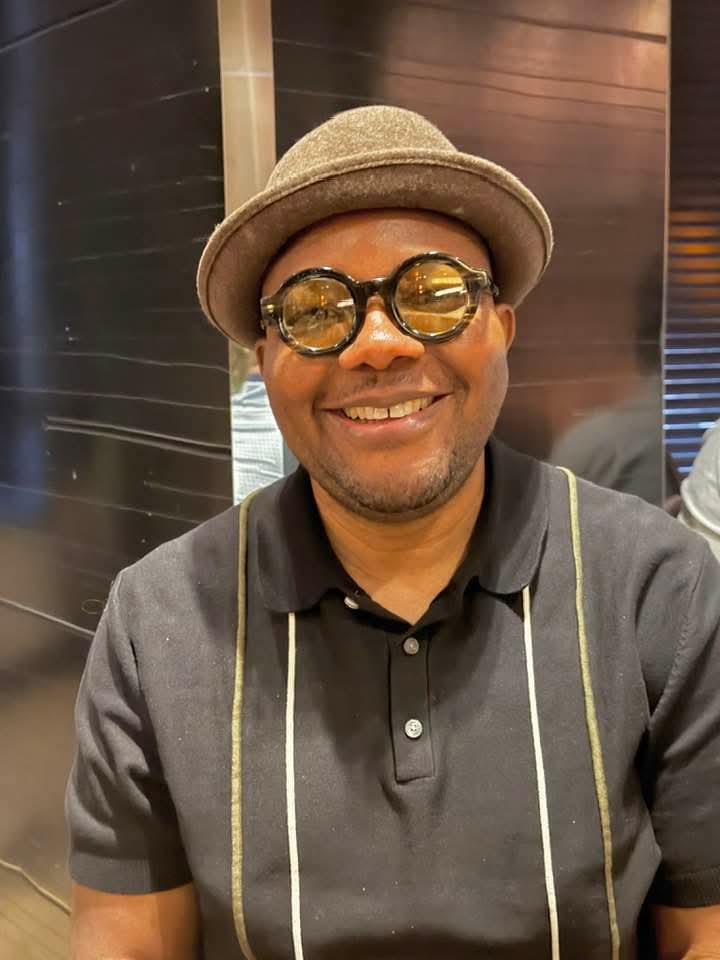
A Nigerian academic based in the United States, Prof. Moses Ochonu, has raised concerns over what he described as a fabricated academic citation attributed to him in a recent publication, warning that the rise of artificial intelligence could erode integrity in scholarly publishing.
Ochonu, a professor of African History at Vanderbilt University, disclosed the development in a Facebook post after receiving an automated Google alert notifying him that his work had been cited in a newly published article.
Curious to review the citation, he said he followed the link to the journal article and located the referenced section, only to discover a publication he did not recognise.
“Lo and behold, I saw this completely made up, fictitious, likely AI-generated publication attributed to me,” he wrote.
The citation in question reportedly listed a 2019 work titled “Empathizing with the Oppressor: The Case of Nigerian Political Stockholm Syndrome,” credited to Ochonu, despite the scholar insisting he never authored such a paper.
The historian expressed surprise and concern over the development, questioning whether it was a case of impersonation, memory lapse, or a broader systemic issue linked to the misuse of artificial intelligence tools in academic writing.
According to him, the article containing the questionable citation was authored by a Nigerian scholar and published in a Nigerian journal, further heightening his concern about academic standards in the country.
Ochonu warned that the increasing reliance on AI tools without proper verification could have damaging consequences for research credibility.
“This AI will kill whatever is left of integrity in scholarly publishing in Nigeria,” he stated, adding that stakeholders must begin to confront the implications of the technology on academic work.
The incident highlights growing global concerns about the misuse of generative AI in research and publishing. Experts have warned that AI systems can sometimes produce “hallucinated” references, plausible-sounding but entirely fabricated citations, if not carefully monitored.
In Nigeria, where academic publishing has faced longstanding challenges related to quality control and peer review standards, Ochonu’s remarks are likely to reignite debate over the need for stricter editorial oversight and verification processes.
As universities and journals increasingly adopt digital tools, the episode underscores the importance of maintaining rigorous standards to preserve trust in academic scholarship.
