

ECOWAS Urges 6-Month Maternity Leave to Improve Child Survival in West Africa

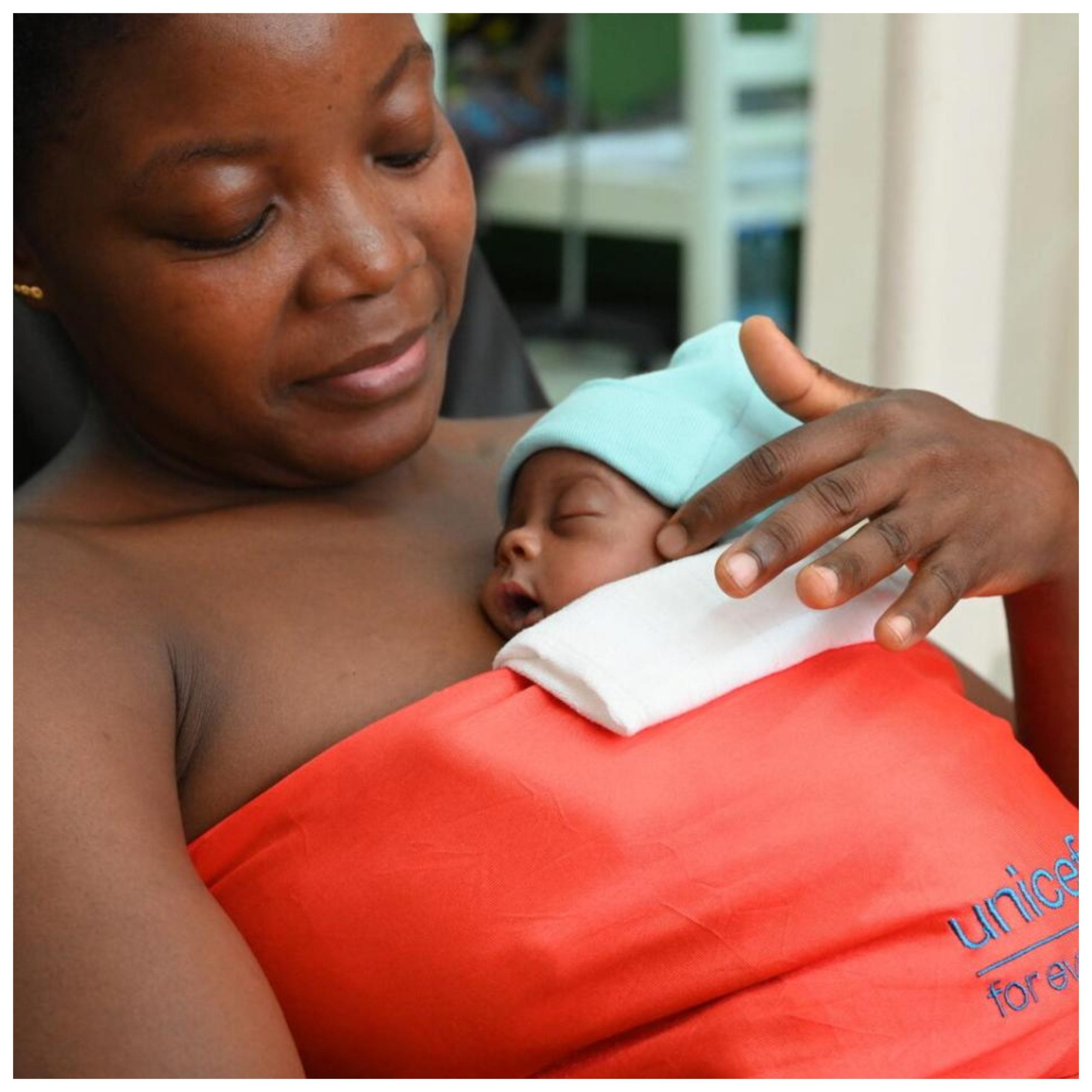
The Economic Community of West African States has called on member states to extend maternity leave to a minimum of six months as part of efforts to improve child survival and maternal health outcomes across the region.
The appeal was made by Virgil Lokossou of the West African Health Organisation during a webinar held alongside the 27th Ordinary Session of the Assembly of Health Ministers in Freetown.
The regional meeting brought together health ministers and stakeholders to review priorities, strengthen collaboration, and address emerging and endemic diseases in West Africa.
Lokossou emphasised that exclusive breastfeeding is one of the most effective and affordable strategies for reducing child illness and mortality, while also supporting maternal recovery after childbirth.
He noted that aligning national labour laws with global recommendations on six months of exclusive breastfeeding would require decisive policy action, including extended paid maternity leave and improved support systems for nursing mothers.
“Strengthening maternal and child health requires people-centred decisions that protect women and give every child the best start in life,” he said.
Beyond legislative reforms, Lokossou stressed the need for workplace policies and social protection systems that respond to the needs of mothers and newborns. He urged employers in both public and private sectors to adopt family-friendly measures such as flexible work arrangements, breastfeeding support programmes, and safe nursing spaces.
Participants at the meeting also highlighted the urgency of mobilising domestic funding for healthcare, particularly amid declining external support. They encouraged ECOWAS countries to explore innovative financing options, including health levies, protected budget allocations, and community-based health funding mechanisms.
The discussions further underscored the role of lawmakers in translating regional commitments into enforceable national legislation that safeguards the rights and well-being of women and children.
Public health experts noted that improving breastfeeding practices could significantly reduce under-five mortality in the region, where preventable causes still account for a large share of child deaths.
In Nigeria, maternity leave provisions in many sectors remain below the recommended six months, a gap experts warn may hinder optimal breastfeeding and child health outcomes.
The renewed push by ECOWAS is expected to accelerate policy reforms and deepen regional cooperation aimed at improving the survival and well-being of mothers and children.
