

Trump Rejects Iran Proposal as Hormuz Tensions Push Oil Prices Higher

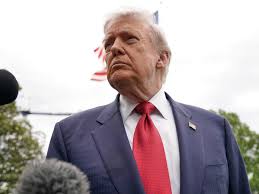
Oil prices rose sharply on Monday after U.S. President Donald Trump rejected Iran’s response to a U.S. peace proposal, raising fears that the conflict disrupting shipping through the Strait of Hormuz could continue.
Iran’s response, released on Sunday, called for an end to the war across the region, including in Lebanon where Israel is battling Hezbollah militants backed by Tehran. Iran also demanded compensation for war damages, an end to the U.S. naval blockade, sanctions relief and guarantees against future attacks.
Trump swiftly dismissed the proposal on Truth Social, calling it “totally unacceptable” without further explanation.
Iran defended its position on Monday, insisting its demands were legitimate. Foreign Ministry spokesperson Esmaeil Baghaei said Tehran was seeking an end to the war, removal of sanctions and restoration of safe passage through the Strait of Hormuz.
The standoff pushed oil prices up by about four dollars per barrel before prices eased slightly later in the day.
The Strait of Hormuz, which handled about one-fifth of global oil and liquefied natural gas supplies before the war began on Feb. 28, remains heavily disrupted, with shipping traffic significantly reduced.
The conflict has also increased political pressure on Trump ahead of U.S. elections, as rising fuel prices affect voters. Efforts to build international support for reopening the waterway have faced challenges, with NATO allies unwilling to deploy forces without a broader peace agreement.
Turkey’s Foreign Minister Hakan Fidan is expected in Qatar on Tuesday for talks on the conflict and regional shipping security.
Trump is also due in Beijing on Wednesday, where the Iran crisis is expected to feature in discussions with Chinese President Xi Jinping as global pressure mounts to end the conflict and ease the energy crisis.
Meanwhile, Israeli Prime Minister Benjamin Netanyahu said military operations against Iran were not over, stressing the need to dismantle Tehran’s nuclear and missile capabilities.
Iranian President Masoud Pezeshkian maintained that Tehran would not surrender and would continue defending its national interests.
Regional tensions remained high on Sunday, with the United Arab Emirates intercepting two drones launched from Iran, while Qatar and Kuwait also reported drone-related security incidents.
