

TikTok challenges drive new wave of hit songs in Nigeria’s music industry

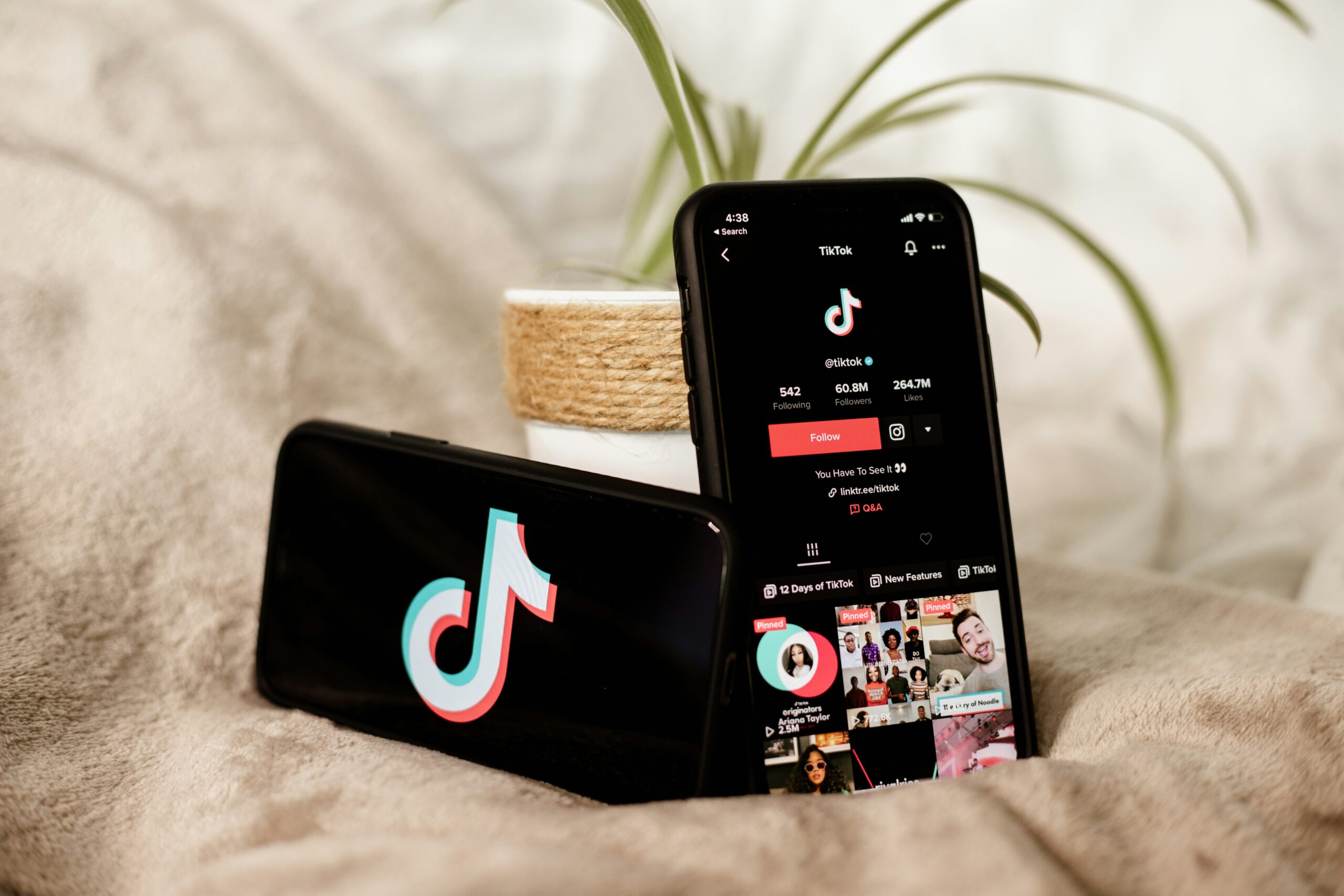
TikTok has emerged as a major driver of hit songs in Nigeria, with dance challenges and viral sound trends increasingly determining which Afrobeat tracks achieve mainstream success.
The platform’s growing influence is underscored by its expanding user base in the country, which now exceeds 37 million active accounts, according to industry experts. This represents more than double the figure recorded in 2025, positioning Nigeria as one of TikTok’s fastest-growing markets in Africa.
Music artistes and their management teams are now deliberately tailoring releases to align with TikTok’s content culture. Songs are being structured with catchy hooks, danceable rhythms, choreography-friendly sections, and sound effects designed to encourage user-generated challenges and viral trends.
CKay’s global hit “Love Nwantiti” remains one of the clearest examples of how a song can transition from modest streaming performance to international success through TikTok-driven virality.
Industry analysts note that TikTok’s algorithm prioritises rapid engagement, allowing a successful dance challenge to propel a song to millions of listeners within days—often outpacing traditional radio and promotional channels.
Mr Biodun Adeyemi, a Lagos-based music promoter and digital strategist, told the News Agency of Nigeria (NAN) that TikTok has become indispensable to modern music marketing strategies.
“Every serious artiste dropping a song now is asking one question — will this work on TikTok?
“If the answer is no, they go back and rework it. That is how much power the platform holds over the industry right now,” he said.
A 2026 GeoPoll survey shows that 66 per cent of young Nigerians actively use TikTok, while 71 per cent engage with the platform daily, reflecting its deep penetration among youth audiences.
However, experts also caution that the platform’s influence comes with creative trade-offs. Ms Temi Lawson, a digital music analyst, warned that the pursuit of virality could affect artistic depth.
“When you start writing songs for a challenge instead of from the heart, you can lose what made your music special,” she said.
“The best Nigerian artistes are learning to make music that is authentic and TikTok-friendly. That balance is now a real industry skill,” she added.
