

Nigerians Can Secure Jobs in Germany Without Degrees – Ita Enang

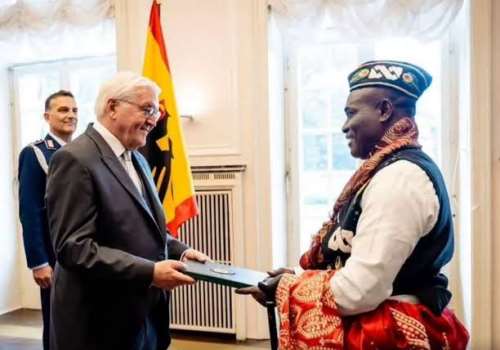
Nigeria’s Ambassador to Germany, Senator Ita Enang, has said Nigerians without university degrees can secure employment in Germany through vocational and technical skills.
Enang encouraged Nigerians to explore job opportunities in sectors such as driving, hospitality, woodworking, welding and construction, noting that practical expertise could open doors to employment in the European country.
The ambassador made the remarks during an interview on Arise Television on Tuesday, November 3, 2026, while addressing misconceptions that university degrees are compulsory for Nigerians seeking jobs abroad.
“It’s not only graduates that are entitled to employment in Germany or in Europe,” Enang said, highlighting opportunities for experienced drivers and skilled workers in various vocational fields.
He explained that many Nigerians miss out on international employment opportunities because they believe employers require extensive academic qualifications.
However, Enang identified visa requirements, professional qualifications and proficiency in the German language as major challenges facing Nigerians interested in working in Germany.
According to him, prospective applicants must acquire the necessary skills, meet professional requirements and develop an understanding of the German language to improve their chances of securing employment.
The ambassador also disclosed that he was learning German to better understand the country’s institutions and facilitate his integration into the system.
Enang further revealed that he had been engaging German officials on the possibility of establishing a labour migration agreement between Nigeria and Germany.
He said he was exploring arrangements similar to those Germany has established with India and Kenya, which provide structured employment pathways for citizens of the countries.
The envoy expressed hope that such an agreement could expand employment opportunities for Nigerians and improve access to Germany’s labour market.
He also said he had been studying Germany’s immigration and labour laws to identify legal pathways for Nigerian workers.
