


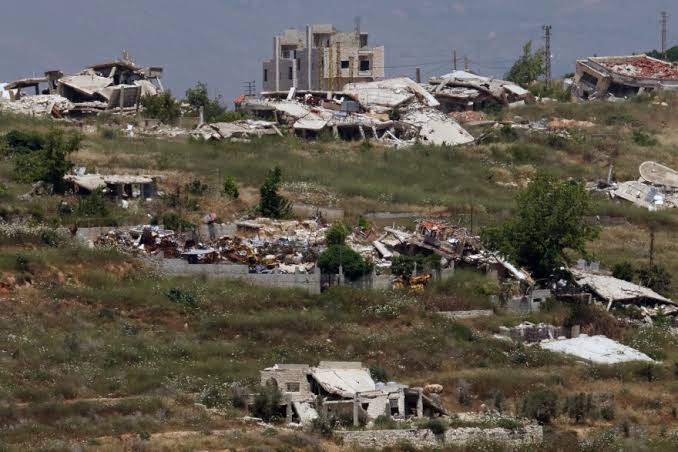
As fragile calm settles along the Israel-Lebanon frontier, a new U.S.-backed proposal is emerging that could reshape security arrangements in southern Lebanon and mark a significant step toward stabilizing one of the Middle East’s most volatile borders.
Israeli and Lebanese officials are currently engaged in talks in Washington over a plan that would see Israeli troops withdraw from parts of southern Lebanon and transfer control of those areas to the Lebanese Armed Forces. The discussions come amid international efforts to strengthen a ceasefire that has largely held since Sunday following months of heightened tensions and conflict involving Hezbollah.
During the fighting, Israeli forces seized strategic positions in southern Lebanon, arguing that the deployments were necessary to address security threats along the border. Although the ceasefire has reduced hostilities, Israeli troops remain stationed in several areas, citing ongoing security concerns.
Under the proposal being discussed, Lebanese troops would gradually assume responsibility for designated territories vacated by Israeli forces. Israeli officials said the Lebanese soldiers assigned to the areas would undergo U.S.-supported training and screening as part of efforts to ensure stability and maintain security.
The plan would not result in a complete Israeli withdrawal from the border region. Israeli officials indicated that their military would continue to maintain a presence within a buffer zone along the frontier, a measure they argue is essential to preventing future cross-border attacks.
A senior Lebanese security official confirmed that negotiations are continuing in Washington, with discussions focusing heavily on establishing a timetable for Israeli withdrawal from Lebanese territory. Military representatives from both sides are expected to continue talks on the proposed pilot areas as negotiations progress.
Lebanese President Joseph Aoun has also acknowledged that discussions regarding the proposed security arrangements are underway. According to the Lebanese presidency, the plan remains subject to Israeli approval before any implementation can begin.
The Lebanese army, long viewed by Western governments as a key state institution capable of maintaining national stability, has received extensive U.S. military assistance over the years. Supporters of the proposal argue that strengthening the army’s role in the south could reinforce state authority in an area where Hezbollah has traditionally wielded significant influence.
However, the initiative faces political challenges. Hezbollah has publicly opposed the U.S.-backed negotiations and has urged the Lebanese government to disengage from the process, reflecting broader divisions within Lebanon over security cooperation and foreign involvement.
Meanwhile, Washington has reiterated its commitment to preserving the ceasefire and preventing a return to conflict. In a related development, a joint statement issued following U.S.-Iran talks in Switzerland announced plans to establish a “de-confliction cell” designed to support implementation of the truce and reduce the risk of renewed military escalation.
U.S. officials cautioned that details of the proposed mechanism are still under review, but diplomats hope the ongoing talks could provide a foundation for a more durable security framework along the Israel-Lebanon border.
For now, the negotiations represent a rare moment of diplomatic engagement between two long-time adversaries, offering a potential pathway toward reducing tensions in a region that has repeatedly been drawn into cycles of conflict.
