

ISWAP Deploys Armed Drones, Global Networks to Sustain Terrorism in Nigeria

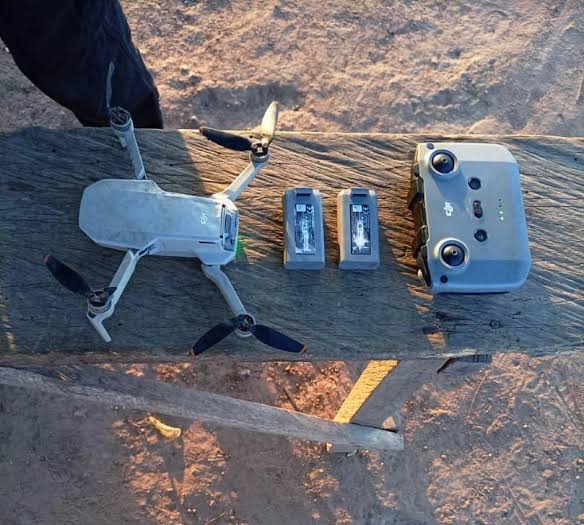
The Islamic State West Africa Province (ISWAP) has increasingly adopted advanced technology, international financing networks and satellite communication systems to strengthen its insurgency in Nigeria, according to a new report by the Institute for Security Studies (ISS).
The report, authored by security researcher Taiwo Adebayo, revealed that the terrorist group has transformed commercially available technologies into tools for intelligence gathering, propaganda and combat operations, particularly in northeastern Nigeria.
Published on Thursday, November 26, 2026, the study was based on interviews with 17 informants, including former ISWAP fighters, security and intelligence personnel, civilians and researchers. The interviews were conducted between April and September 2026.
According to the findings, ISWAP has moved beyond using drones for surveillance to modifying commercial models with improvised explosives for attacks on military positions.
The report also identified links between the group and Islamic State’s central leadership, which allegedly provides technical training, financial support and media infrastructure.
It further disclosed that the group’s supply and financing networks extend across Lagos, Kano and Dubai, with currency exchange operators allegedly facilitating payments and equipment purchases.
The study also identified an internal payment arrangement known as ‘ghanimah’, through which fighters receive financial rewards for weapons captured during attacks on military formations and handed over to the group’s leadership.
ISWAP reportedly benefits from these arrangements as it continues to expand its operational capabilities.
The researchers warned that the group’s growing technological capacity and international connections present additional challenges for Nigeria’s counterterrorism operations.
They urged Nigerian and regional authorities to strengthen military installations, improve counter-drone capabilities, disrupt terrorist financing and equipment supply networks, and make better use of intelligence provided by former insurgents.
The report stressed the need for coordinated efforts involving governments, security agencies and technology companies to dismantle the networks sustaining ISWAP’s activities.

