


The shadow of nuclear weapons continues to hang over humanity decades after the world witnessed the devastating consequences of their use, with Nigeria renewing its call for their complete elimination and warning that global security cannot be built on the capacity to destroy civilisation.
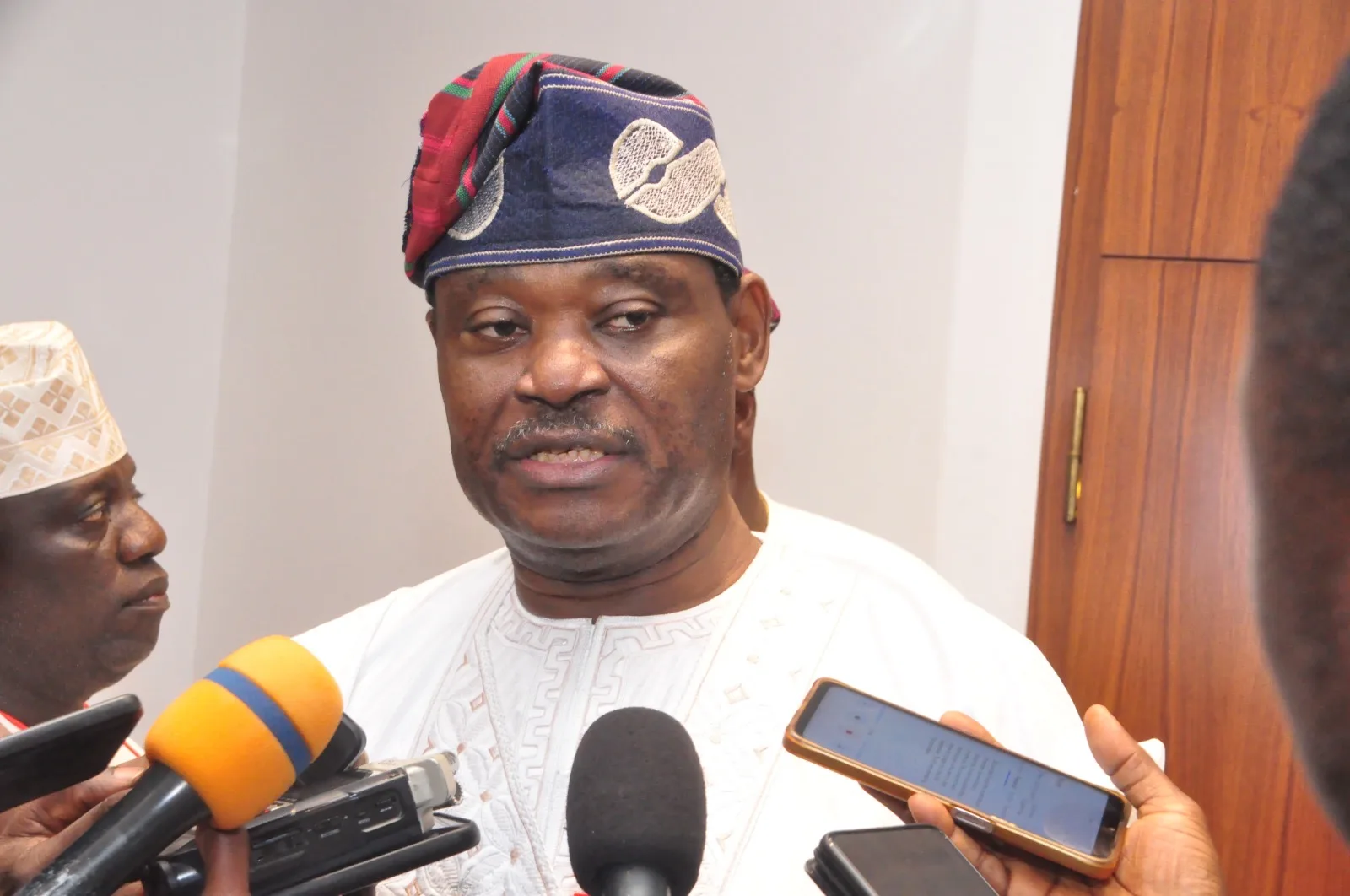
Nigeria’s Permanent Representative to the United Nations, Amb. Jimoh Ibrahim, delivered the message at a high-level meeting of the United Nations in New York to commemorate the International Day for the Total Elimination of Nuclear Weapons during the 81st Session of the UN General Assembly.
For Nigeria, the argument is straightforward: as long as nuclear weapons exist, the possibility of their use—whether deliberately, accidentally or through miscalculation—remains a threat to humanity.
Jimoh said Nigeria firmly believed that the only absolute guarantee against the use or threat of use of nuclear weapons was their total elimination.
“Nigeria firmly believes that the only absolute guarantee against the use or threat of use of nuclear weapons is their total elimination,” he said.
His intervention came against the backdrop of continuing geopolitical tensions, the persistence of thousands of nuclear warheads around the world and ongoing efforts by nuclear-armed states to modernise their arsenals.
The Nigerian envoy warned that the continued reliance on nuclear deterrence was creating rather than resolving security risks, particularly at a time when established arms-control mechanisms face growing pressure.
He said the continued modernisation of nuclear weapons increased the danger of miscalculation and escalation, with consequences that could extend far beyond the countries directly involved in a conflict.
“The continued modernisation of nuclear weapons and reliance on nuclear deterrence only heighten the risks of miscalculation, escalation and catastrophic humanitarian consequences,” Ibrahim said.
Nigeria’s security without nuclear weapons
Nigeria’s position, Jimoh stressed, was also informed by its own decision not to pursue nuclear weapons as an instrument of national security.
He said the country neither possessed nuclear weapons nor had plans to develop them, maintaining that its security did not depend on nuclear deterrence.
“Nigeria does not possess nuclear weapons, has never pursued a nuclear-weapons programme and has no intention of doing so. Our security does not depend on nuclear weapons,” he said.
Instead, Nigeria believes lasting international security should rest on diplomacy, international law, multilateral cooperation and arrangements that provide security for all states rather than a system in which some countries possess weapons capable of threatening the survival of others.
The position reflects Nigeria’s broader support for multilateral approaches to international peace and security and its longstanding commitment to nuclear non-proliferation.
Jimoh said President Bola Tinubu’s administration remained committed to international efforts aimed at achieving a world free of nuclear weapons.
“President Tinubu has consistently affirmed Nigeria’s readiness to work with the international community in advancing nuclear disarmament and non-proliferation,” he said.
He added that Nigeria’s vision was of a world where no country would consider nuclear weapons indispensable to its security.
A call to nuclear powers
Central to Nigeria’s appeal was a direct call to nuclear-weapon States to fulfil their obligations under Article VI of the Treaty on the Non-Proliferation of Nuclear Weapons (NPT), which commits parties to pursue negotiations on effective measures relating to nuclear disarmament.
Ibrahim urged the nuclear powers to translate longstanding commitments into concrete action, particularly through the irreversible, transparent and verifiable elimination of their nuclear arsenals.
For Nigeria, disarmament cannot remain confined to diplomatic declarations. The country is advocating a process that can be measured, verified and ultimately produce the permanent removal of nuclear weapons.
The ambassador also encouraged countries that have yet to join the Treaty on the Prohibition of Nuclear Weapons to consider doing so as part of wider international efforts to eliminate the weapons.
Nigeria’s appeal comes within a broader African tradition of opposing the proliferation of nuclear weapons and promoting nuclear-free zones.
Africa’s Pelindaba example
Ibrahim pointed to the African Nuclear-Weapon-Free Zone Treaty, commonly known as the Treaty of Pelindaba, as evidence that regional commitments to keeping nuclear weapons out of a continent are possible.
Under the treaty, African states committed themselves to maintaining the continent as a nuclear-weapon-free zone.
“Africa has already demonstrated what is possible through the Treaty of Pelindaba,” Ibrahim said.
He said Nigeria remained proud of Africa’s contribution to global nuclear disarmament and supported efforts to establish and strengthen nuclear-weapon-free zones in other regions.
The African experience, he suggested, provides an example of how collective security arrangements can be pursued without making nuclear weapons a foundation of national or regional defence.
Peaceful nuclear technology remains vital
Nigeria’s opposition to nuclear weapons, however, does not translate into opposition to nuclear science and technology.
Ibrahim made a distinction between nuclear weapons and the peaceful applications of nuclear technology, stressing that countries should retain the right to use nuclear science for development within the framework of international obligations.
He identified healthcare, agriculture, energy, water management and sustainable development among the areas where peaceful nuclear applications could contribute to improving lives.
For a developing country such as Nigeria, the challenge is therefore not to reject nuclear technology but to ensure that its benefits are harnessed responsibly while preventing its diversion to weapons programmes.
That distinction remains important as countries seek new technological solutions to development challenges, including energy security, medical diagnosis and treatment, food production and water management.
A choice before humanity
At the heart of Nigeria’s intervention was a warning about the contradiction inherent in a global security system that depends on weapons with potentially civilisation-ending consequences.
“The choice before us is clear. Our collective security cannot continue to depend on weapons capable of destroying humanity,” Ibrahim said.
He pledged Nigeria’s continued engagement with UN Member States to advance practical, inclusive and verifiable multilateral measures towards complete nuclear disarmament.
“Nigeria, under President Bola Ahmed Tinubu, will continue to work with all Member States” toward achieving “a safer, more peaceful and nuclear-weapons-free world,” Ibrahim said.
The International Day for the Total Elimination of Nuclear Weapons is observed to mobilise international action and raise public awareness about the dangers posed by nuclear weapons and the need for their elimination.
Nigeria’s latest intervention therefore places the country firmly within the continuing international debate over how to reconcile national security, technological advancement and the ultimate goal of a world in which humanity’s survival is not dependent on the threat of mutual destruction.

