

Power Sector Row Deepens as NISO Rejects APGC’s Grid Failure Narrative

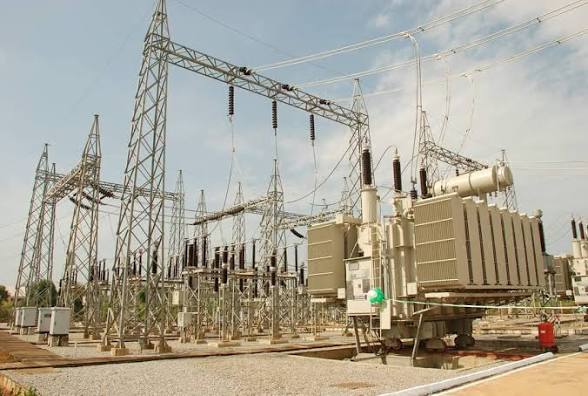
Nigeria’s power sector witnessed a fresh war of words on Friday as the Nigerian Independent System Operator (NISO) dismissed claims by the Association of Power Generation Companies (APGC) over the June 25 national grid disturbance, insisting the incident was a localized voltage instability in Lagos and not evidence of a nationwide system failure.
In a strongly worded clarification, NISO accused APGC of publishing misleading interpretations of the grid event that failed to accurately reflect the operational realities surrounding the disturbance, warning that such narratives could undermine public confidence in the country’s electricity network.
The system operator maintained that the incident was swiftly detected and effectively managed, preventing it from cascading into other parts of the national grid.
According to NISO, the disturbance remained confined to the Lagos region, where coordinated operational interventions restored normal electricity supply within the shortest possible time.
The clarification comes amid renewed scrutiny of Nigeria’s fragile electricity infrastructure, where recurring grid disturbances and collapses have continued to fuel concerns among consumers, businesses and industry stakeholders.
Rejecting APGC’s analysis of system frequency, voltage and generation data, NISO argued that the publication ignored established provisions of the Nigerian Grid Code governing system disturbances.
It explained that temporary deviations in frequency and voltage are normal during stressed operating conditions and should not be interpreted as proof of grid collapse or operational failure.
The operator noted that while the National Grid normally operates within a frequency range of 49.75 to 50.25 Hertz and transmission voltage between 280.5 kilovolts and 346.5 kilovolts on the 330kV network, these parameters are expected to fluctuate briefly during disturbances before corrective measures restore stability.
It further stated that the Grid Code permits generating units to remain synchronized even when system frequency temporarily falls below or rises above normal operating limits during restoration processes.
NISO also disputed APGC’s conclusions on the temporary reduction in electricity generation during the incident, describing the drop as the result of deliberate operational actions and the activation of generator and network protection systems designed to safeguard the integrity of the national grid.
According to the operator, the emergency measures prevented wider cascading outages and enabled rapid stabilization and restoration of electricity supply.
The agency stressed that presenting isolated minimum or maximum frequency values without considering the broader operational context or restoration procedures gives an inaccurate picture of the health of the national grid.
Asserting its statutory mandate, NISO declared that it remains the only authorized source of official information on grid operations, system events and the performance of Nigeria’s electricity transmission network.
It urged policymakers, market participants and the general public to rely solely on information released by the system operator for accurate and verified updates on the national grid.
The operator reaffirmed its commitment to ensuring the reliability, security and stability of Nigeria’s electricity supply industry through strict compliance with the Nigerian Grid Code, transparent communication and internationally accepted operational practices.
The clarification sets the stage for renewed debate within the power sector over the interpretation of grid incidents and highlights growing tensions between key industry players over accountability and public communication in Nigeria’s electricity market.
End
