

Why Sanusi Is Questioning Nigeria’s Anti-Corruption Fight After El-Rufai Detention

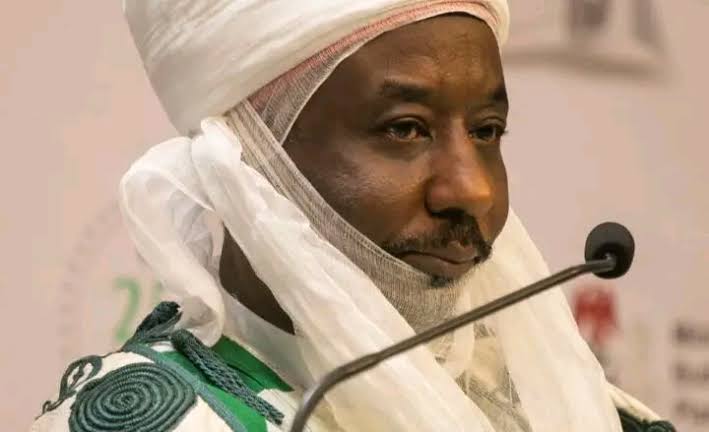
The Emir of Kano, Muhammadu Sanusi II, has questioned the consistency of Nigeria’s anti-corruption campaign, citing the legal proceedings involving former Kaduna State Governor Nasir El-Rufai.
Sanusi made the remarks in an interview with Channels Television on Monday in Lagos, where he attended the launch of The Unexplained Wealth Trilogy, authored by Senior Advocate of Nigeria, Wahab Shittu.
The Emir said having laws against corruption was not enough, stressing that relevant institutions must ensure that the laws were properly enforced.
According to him, agencies responsible for investigation and prosecution, as well as the courts, have a critical role to play in ensuring that anti-corruption laws are applied effectively.
Sanusi also raised concerns over cases allegedly being dropped because suspects had political connections or belonged to favourable political circles.
He said such situations could create doubts about whether anti-corruption measures were being applied consistently or being used against political opponents.
“We have legal processes where people are questioning if, in fact, it is a fight against corruption or political persecution,” Sanusi said.
Speaking about El-Rufai, the Emir said the former governor’s prolonged legal battle had raised questions among members of the public.
“An example is my brother, Nasir El-Rufai, who’s been denied bail. He’s been in detention for seven months, not having been convicted for anything, using the courts,” he said.
“So people begin to wonder, is this really a fight against corruption, or is it a political battle?” Sanusi added.
El-Rufai has faced multiple legal proceedings since his detention in February 2026 over allegations including financial misconduct, abuse of office and money laundering. He has denied the allegations and pleaded not guilty in the cases against him.
The ICPC has maintained that El-Rufai’s detention at the initial stage was authorised by court orders and that the commission was acting within the law.
A Federal High Court in Abuja subsequently granted El-Rufai bail in May, subject to conditions including a ₦100 million bond, a surety and the surrender of his international passports.
Sanusi called for greater attention to the institutions responsible for enforcing anti-corruption laws, arguing that simply reviewing or strengthening legislation would not be sufficient without effective implementation.
He said political authorities and the judiciary must ensure that laws were applied for the purposes for which they were enacted.
The Emir added that Nigerians could lose confidence in the anti-corruption campaign if people with political connections were perceived to escape accountability.

