

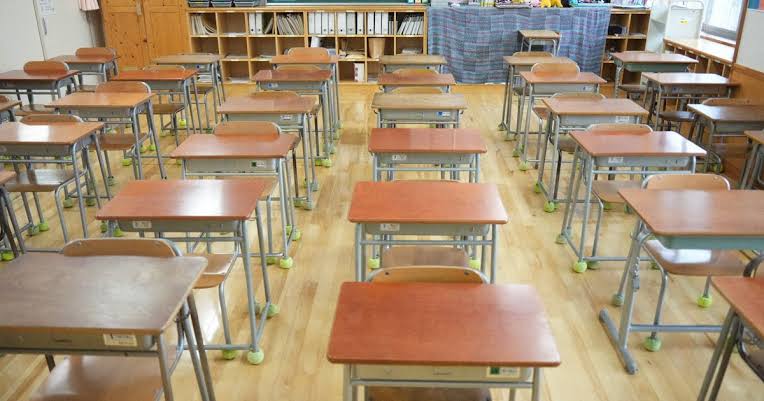
Authorities in Japan have announced sweeping inspections of schools for hidden cameras following the conviction of two teachers in a high-profile voyeurism scandal that has raised concerns over student safety.
The move comes as the Nagoya District Court handed suspended prison sentences to two of seven educators accused of secretly filming female students and sharing the footage online.
The court sentenced 34-year-old Daiki Sawada and 41-year-old Keisuke Tsugeno to three-year prison terms, suspended for five years, after finding them guilty of taking indecent images of students and circulating them on social media.
The case marks the first conviction linked to the arrests last year that shocked the country and triggered widespread debate about misconduct within schools.
Presiding judge Megumi Murase described Sawada’s actions as “obvious and malicious,” noting that he abused his position of trust as a teacher responsible for protecting students. His sentence was suspended after he agreed to compensate victims’ families and undergo therapy.
The court heard that Tsugeno used a pen-shaped hidden camera to film five junior high school girls while they were changing clothes. He also reportedly entered a girls’ restroom to capture images of a 14-year-old student.
In response, Japan’s education ministry has unveiled draft regulations aimed at preventing similar abuses. The measures include mandatory inspections of classrooms, restrooms and changing areas, tighter restrictions on staff behaviour, and a ban on teachers using personal smartphones to photograph students.
The proposed rules would also make the dismissal of teachers involved in sexual misconduct compulsory, rather than discretionary.
The reforms build on legislation introduced in 2023 criminalising non-consensual filming, including acts commonly referred to as “photo voyeurism,” such as upskirting and covert recordings.
The law followed public outrage over several controversial court rulings in 2019 and marked a significant overhaul of Japan’s sexual offence framework.
Officials said the latest measures are expected to be formally adopted in the 2026 fiscal year, beginning in April, after a period of public consultation.
