

Bush Won Gulf War but Lost Re-Election Over Economy

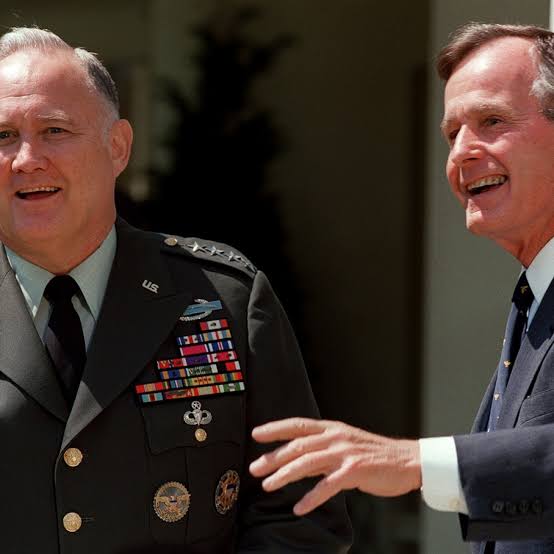
George H. W. Bush secured a decisive foreign policy victory in the Gulf War, but that success did not translate into political survival at home, where economic concerns ultimately shaped voter decisions.
At the height of the war, Bush enjoyed soaring approval ratings, bolstered by the swift military campaign that expelled Iraqi forces from Kuwait. However, by the time of the 1992 United States presidential election, public sentiment had shifted dramatically, with domestic economic hardship overshadowing foreign policy achievements.
The early 1990s recession and its lingering effects left many Americans struggling with unemployment and financial uncertainty. Surveys and exit polls at the time showed that a large majority of voters viewed the economy as being in poor condition, making it the defining issue of the election.
Bush’s perceived focus on international affairs, combined with dissatisfaction over rising costs and a controversial tax increase, weakened his standing among voters. His opponent, Bill Clinton, capitalized on this discontent by centering his campaign on economic recovery and the everyday struggles of Americans—a strategy that proved decisive.
Clinton went on to defeat Bush, winning both the popular vote and a commanding majority in the Electoral College, ending 12 years of Republican control of the White House.
The outcome underscored a recurring lesson in American politics: even a successful war effort cannot offset voter frustration when economic conditions at home deteriorate.
