


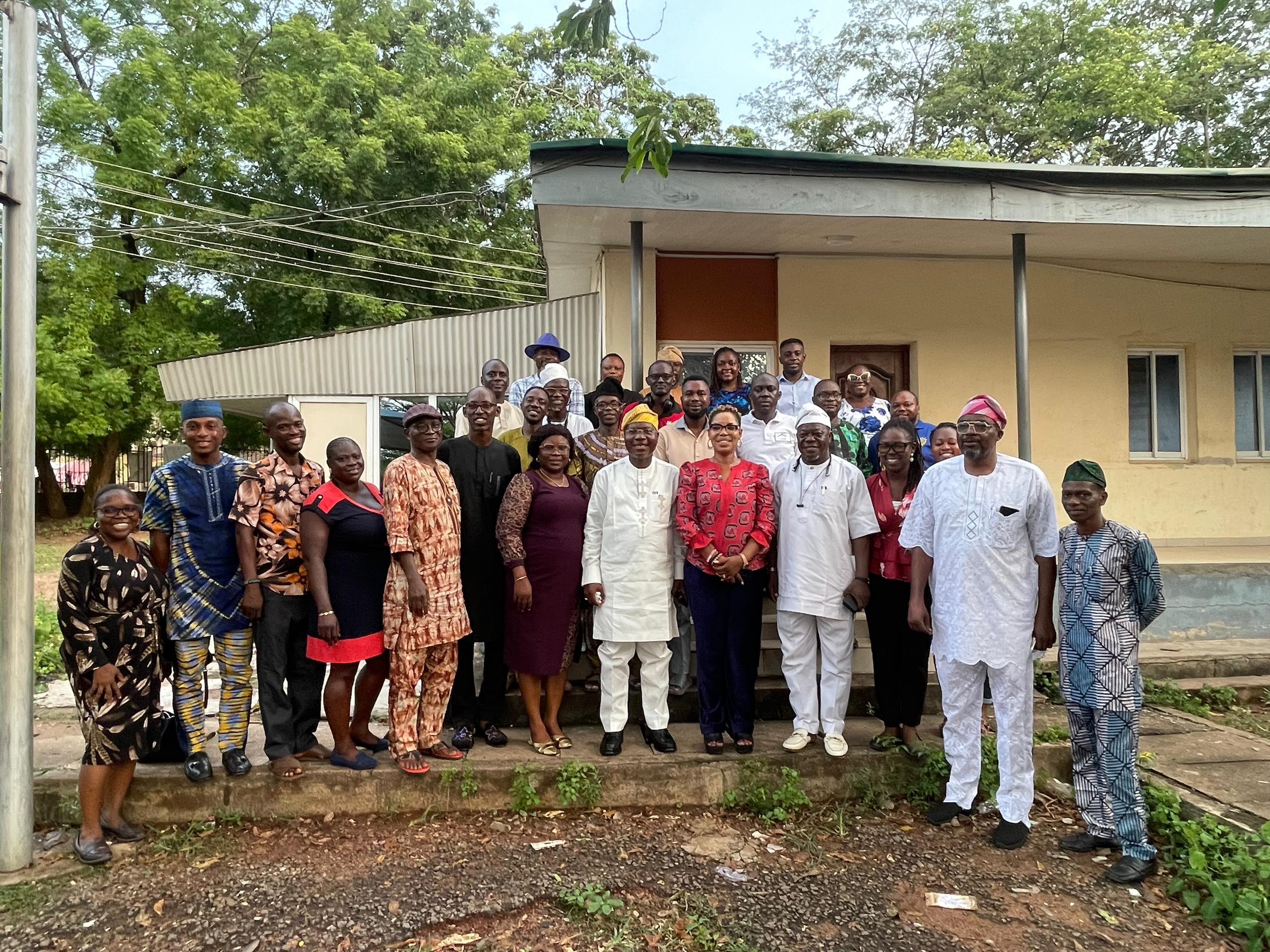
The Ogun State Chapter of the Nigerian Institute of Public Relations (NIPR), has charged practitioners to uphold professionalism, ethical standards, and strategic communication as political parties commence activities ahead of the next electoral season.
The Chapter Chairman, Oluwaseun Boye made this known at the May Monthly Business Meeting of the Institute where she urged practitioners to lead in shaping credible narratives and strengthening public trust as Nigeria prepares for another electoral cycle.
Mrs. Boye emphasized the critical role of public relations professionals in interpreting political processes and fostering public confidence through credible communication frameworks.
“As practitioners, it’s imperative to interpret the electoral process and define a credible communication framework. Let us re-commit ourselves to professional integrity, creativity, and the highest ethical standards. Truth must always be at the forefront as we work to sustain credibility and trust in public communication,” she stated.
The meeting featured a pep talk themed *“Political Party Primaries: Impacts and Lessons for Public Communication Practice ”* delivered by Dr. Olalekan Oketokun, of Moshood Abiola Polytechnic who examined the complexities of political party primaries and the communication responsibilities surrounding the process.
Dr. Oketokun explained that political aspirants emerge through direct primaries or consensus arrangements influenced by factors such as zoning, religion, gender considerations, and party caucuses. According to him, the process underscores the urgent need for robust public communication strategies capable of ensuring transparency, inclusiveness, and stakeholder trust.
He noted that party primaries remain a defining stage in democratic governance, as they determine the candidates who eventually shape the future of leadership and governance in the country.
Participants at the meeting stressed that public relations has become an indispensable tool for strategic communication, reputation management, and public engagement within the political space. They maintained that practitioners must leverage their expertise to guide political actors, manage public perception, and strengthen trust in the electoral process.
