


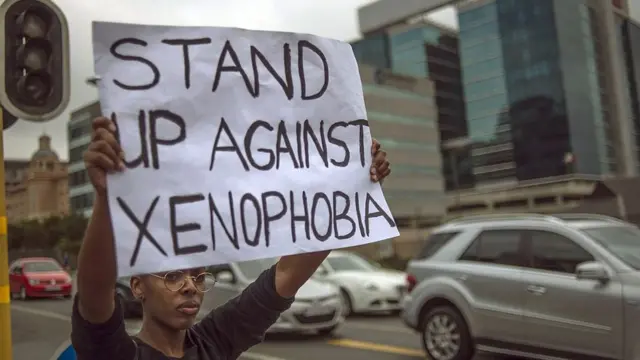
The painful memories of past xenophobic attacks on Nigerians and other African nationals in South Africa have once again returned to the centre of Nigeria’s foreign policy debate, with the House of Representatives issuing a strong warning that continued violence against Nigerians abroad could force a rethink of bilateral relations between both countries.
In a move reflecting growing frustration over recurring attacks, the House has called for a comprehensive review of Nigeria’s diplomatic engagement with South Africa, warning that stronger measures, including the suspension of certain areas of cooperation, may become necessary if credible assurances on the safety of Nigerians cannot be guaranteed.
The resolution followed the unanimous adoption of a motion on xenophobic attacks sponsored by Rep. Yusuf Gagdi (APC-Plateau) during plenary in Abuja.
For many Nigerians, the latest parliamentary action represents a renewed demand for accountability over a problem that has persisted for years despite repeated diplomatic engagements between the two countries.
South Africa and Nigeria share one of Africa’s most important political and economic relationships. Both countries have historically played influential roles in continental affairs, from the struggle against apartheid to efforts aimed at strengthening African unity and economic integration.
However, recurring incidents of xenophobic violence have repeatedly strained that relationship, raising questions about whether economic and diplomatic ties can continue without stronger protections for Nigerian citizens living in South Africa.
Moving the motion, Gagdi said recent reports indicated a fresh escalation of attacks targeting Nigerians, Ghanaians, Zimbabweans, Zambians, Mozambicans, Malawians and other African nationals legally residing in South Africa.
He warned that failure to decisively address the situation could expose more Nigerians to danger while encouraging perpetrators who have continued to act with little fear of consequences.
“The recurring attacks threaten diplomatic relations, economic cooperation and continental integration,” the lawmaker said, stressing that the killing of Nigerians abroad without adequate accountability undermines confidence in Africa’s collective commitment to human rights and justice.
Beyond condemnation, the House demanded concrete action from the Federal Government.
Lawmakers urged the government to summon the South African High Commission in Nigeria to explain the circumstances surrounding the attacks and provide assurances on measures being taken to protect Nigerian citizens.
They also called for an independent, transparent and impartial investigation—possibly with international monitoring—into the deaths of Nigerians and other African victims of xenophobic violence.
According to the lawmakers, such an investigation would help identify perpetrators, ensure prosecution and restore confidence among affected communities.
The House further urged the Federal Government to deploy every available diplomatic and legal mechanism to seek justice for victims while strengthening support systems for Nigerians affected by xenophobic attacks.
These measures include improved consular services, legal assistance, emergency evacuation arrangements and reintegration programmes for victims returning home.
The lawmakers also appealed to the African Union to take a stronger position by urging South Africa to fulfil its obligations under the African Charter on Human and Peoples’ Rights and other international commitments protecting citizens’ rights.
They warned that African countries may need to consider diplomatic and lawful measures if attacks and unlawful killings continue unchecked.
The intervention by Nigeria’s parliament highlights a deeper challenge facing African integration: the contradiction between the dream of a borderless, united continent and the reality of discrimination against fellow Africans in some member states.
Deputy Speaker of the House of Representatives, Rep. Benjamin Kalu, captured this contradiction during his ruling, reminding South Africa of its historical advocacy for African unity.
He noted that a country that once promoted the philosophy of “Ubuntu”—the belief in humanity and shared existence—must demonstrate those principles in its treatment of fellow Africans.
The House’s decision to observe a minute’s silence in honour of Nigerians and other victims of xenophobic violence served as a symbolic reminder of the human cost behind the diplomatic tensions.
For Nigeria, the issue goes beyond isolated attacks. It touches on the safety, dignity and rights of millions of citizens living and working outside the country.
While diplomatic engagement remains the preferred option, the latest position from the House suggests that patience may be running thin.
The coming weeks will reveal whether South Africa responds with stronger commitments to protect foreign nationals or whether Nigeria’s warning evolves into a broader diplomatic confrontation.
At stake is not only the future of Nigeria-South Africa relations but also the credibility of Africa’s promise of unity, solidarity and mutual respect among its people.
