

DRC Opens Largest Ebola Treatment Centre as Cases, Deaths Rise

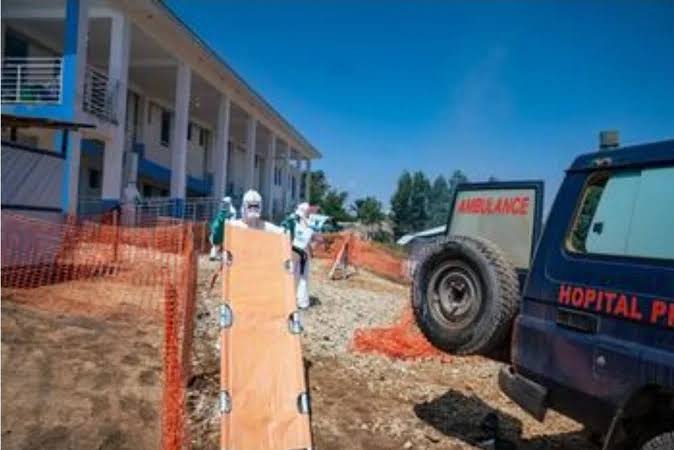
Health authorities in the Democratic Republic of the Congo (DRC), in partnership with the United Nations and other humanitarian organisations, are set to inaugurate the country’s largest Ebola treatment centre as the outbreak continues to worsen.
According to the latest update from the World Health Organization (WHO), the outbreak had recorded 3,605 confirmed cases and 1,587 deaths as of July 30, following its declaration in mid-May.
The UN Office for the Coordination of Humanitarian Affairs (OCHA) said the new 100-bed treatment facility would improve the identification of suspected cases and enable faster referral of confirmed patients for specialised care.
The WHO described the current outbreak as the largest Ebola outbreak ever recorded in the DRC, surpassing the 2018–2020 epidemic, which recorded 3,317 confirmed cases.
During the latest reporting week, health authorities documented a record 567 new infections and 296 deaths, highlighting the rapid spread of the disease.
Speaking after a visit to eastern DRC, Acting Executive Director of the World Food Programme (WFP), Carl Skau, said the outbreak was affecting communities already struggling with conflict and food insecurity.
“Ebola is moving fast, hitting people already facing conflict and hunger. Communities are key to ending it but need support,” he said.
The UN said emergency response efforts have expanded significantly since the outbreak began, with treatment capacity increasing across affected areas, including Nizi, one of the priority response zones.
Nizi is home to more than 80,000 internally displaced persons living across 22 camps, where frequent population movement linked to mining activities has heightened the risk of transmission.
Humanitarian agencies, including the United States and the International Medical Corps (IMC), have also established an Ebola transit centre at Kigonze displacement camp near Bunia, the capital of Ituri Province.
Despite these interventions, WHO warned that a much stronger response is urgently needed as the outbreak continues to spread to new areas and claims more lives.
The agency said insecurity, population displacement, cross-border movement and limited access to affected communities were complicating containment efforts and increasing the risk of further transmission.
It noted that about 270,000 people displaced by violence are currently living in camps across Ituri Province under conditions that favour the spread of the virus.
Over the past two months, the outbreak has spread to five additional provinces and now affects 49 health zones, with active transmission continuing in 33 of them.
Ituri remains the epicentre of the outbreak, accounting for 88 per cent of confirmed cases and 82.6 per cent of Ebola-related deaths nationwide.
