

Digital Growth Without Carbon Cost: How Telecom Operators Are Cutting Emissions While Connecting the World

The global telecommunications industry is proving that digital expansion and environmental responsibility can go hand in hand, as mobile operators continue to reduce their carbon footprint despite a surge in connectivity and data consumption worldwide.
A new report by the Global System for Mobile Communications Association (GSMA) has revealed that mobile operators cut operational emissions by 13 per cent between 2019 and 2024, even as global mobile connections increased by 10 per cent during the same period.
The report, titled “Mobile Net Zero 2026: State of the Industry on Climate Action,” offers a glimpse into how one of the world’s fastest-growing sectors is navigating the challenge of powering a digital revolution while responding to the urgent demands of climate change.
Analysing energy and emissions data from more than 110 mobile operators representing 85 per cent of global mobile connections, the report found that operational emissions declined by five per cent in 2024 alone — the fastest annual reduction recorded in five years.
The achievement is particularly significant given that data traffic more than quadrupled between 2019 and 2024, highlighting what the GSMA described as evidence that digital transformation and climate action can advance simultaneously.
“These progress can be attributed to improved energy efficiency, network modernisation and greater adoption of renewable electricity across mobile networks,” the report stated.
At the heart of the industry’s climate progress is a shift towards renewable energy. According to the GSMA, renewable electricity has emerged as the biggest driver of emissions reduction, with operators purchasing or generating about 70 terawatt hours of renewable electricity in 2024.
The share of renewable electricity used by mobile operators rose from just 10 per cent in 2019 to 24 per cent in 2024, reflecting growing efforts by companies to transition away from fossil fuel-dependent energy sources.
However, despite the progress recorded, the GSMA warned that the pace of emissions reduction must accelerate if the industry is to achieve its science-based target of cutting emissions by 45 per cent by 2030 and ultimately reach net zero emissions by 2050.
“We urge governments to expand renewable energy access to keep the mobile industry on course for net zero emissions by 2050,” the association said.
The GSMA also called for reforms in electricity markets, increased investment in renewable energy infrastructure and faster approval processes for clean energy projects.
According to Mr John Giusti, GSMA Chief Regulatory Officer, the industry’s experience demonstrates that economic development, connectivity and environmental sustainability are not competing goals.
“Operators are connecting more people, carrying more data and supporting digital economies around the world while still reducing emissions,” he said.
Giusti stressed that access to affordable and reliable renewable energy would determine how quickly the telecommunications sector could achieve deeper decarbonisation.
“Policymakers have a vital role in creating the conditions that enable investment in clean energy infrastructure and accelerate the transition to net zero,” he said.
Beyond reducing emissions, he noted that renewable-powered networks would improve energy security, strengthen resilience and support sustainable economic growth.
The report revealed that climate commitments are gaining momentum across the sector. As of June 2026, 81 mobile operators had adopted near-term science-based climate targets, representing nearly half of global mobile connections.
Similarly, 50 operators had made net zero commitments, while 46 had already received validation from the Science-Based Targets initiative.
Despite these achievements, the report identified supply chain emissions — known as scope three emissions — as the industry’s biggest remaining climate challenge. These emissions account for about three quarters of the mobile industry’s total carbon footprint.
The GSMA said closer collaboration with equipment manufacturers, suppliers and other stakeholders, alongside greater adoption of circular economy practices, would be critical in tackling emissions beyond operators’ direct control.
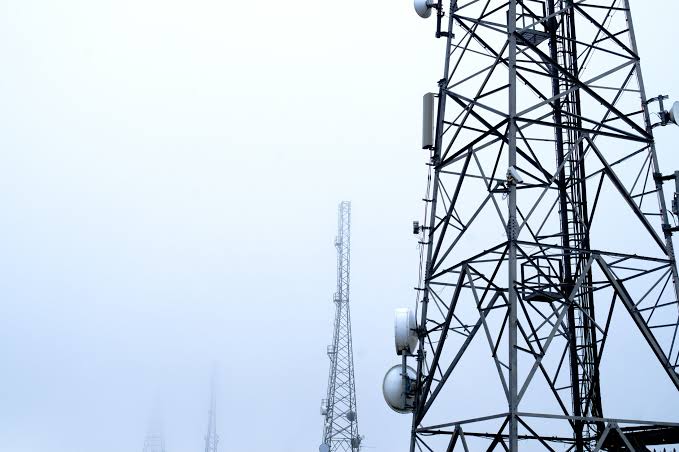
The association also highlighted tower companies as a major opportunity for further decarbonisation. The report noted that the world’s 100 largest tower companies consumed more than two billion litres of diesel in 2024, mainly to power network infrastructure.
It said expanding the use of solar energy, battery storage systems and improved energy management could significantly reduce emissions from tower operations, particularly in regions where access to reliable electricity remains a challenge.
As technology continues to evolve, the report also examined the emerging role of artificial intelligence in the climate conversation. While AI is driving increased energy demand in global data centres, the GSMA said its direct impact on mobile network energy consumption remains limited for now.
However, the association cautioned that the industry must continue monitoring AI’s energy implications as adoption expands across communication networks and digital infrastructure.
Climate resilience has also become a growing priority for telecom operators as extreme weather events increasingly threaten infrastructure. The GSMA said operators are strengthening networks to withstand climate-related disruptions while ensuring reliable connectivity for communities and businesses.
The association urged the industry to continue improving energy efficiency, retiring outdated networks, expanding renewable energy adoption and strengthening engagement with suppliers.
With billions of people increasingly dependent on digital services, the GSMA report suggests that the future of connectivity will not only be measured by speed and accessibility but also by how sustainably the world stays connected.
For an industry that powers everything from mobile banking and remote learning to artificial intelligence and smart cities, reducing its environmental footprint may become just as important as expanding its digital reach.
