

Kenya to ban raw gold exports, plans three refineries

Kenya is set to ban the export of unprocessed gold as the government moves to increase local mineral processing and retain more value from the country’s natural resources.
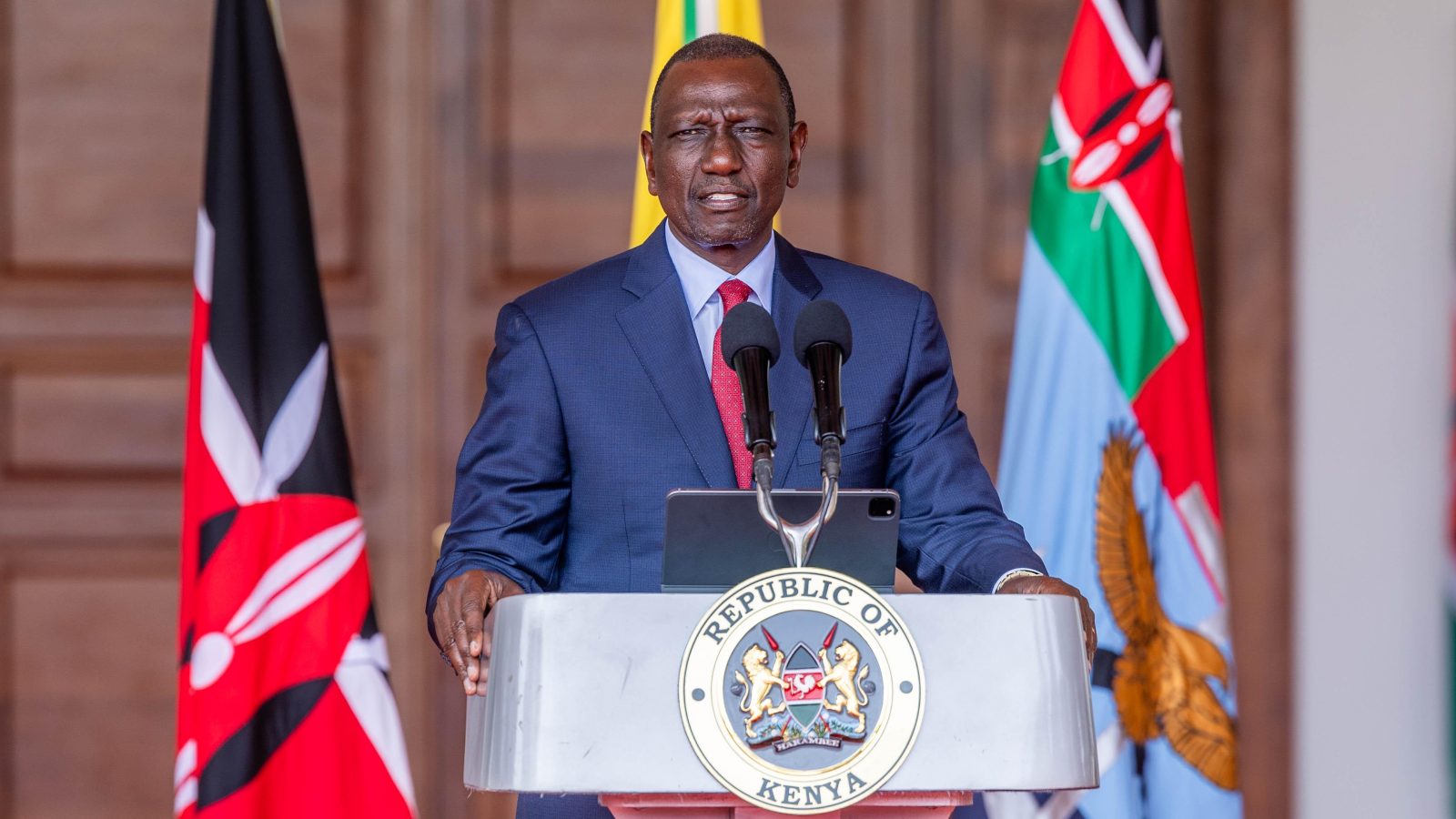
President William Ruto announced the plan on Monday while speaking to reporters in Kisumu, western Kenya.
Ruto said gold mined in Kenya would have to be processed locally and exported only through government-approved channels.
“We’re going to make it illegal for anybody to export gold from Kenya if it’s not processed and through approved government channels,” Ruto said.
The president said the policy would eventually be extended beyond gold to cover all minerals extracted in Kenya, following similar measures adopted by countries including Ghana and Zimbabwe.
Kenya plans three gold refineries
Ruto also disclosed plans to establish at least three gold refineries, with facilities expected to be located in the gold-producing region of Kakamega and Nairobi.
Under the planned domestic gold-purchasing programme, the Central Bank of Kenya is expected to have first priority in purchasing locally produced gold.
Kenya’s State Department for Mining estimates that the country produces about 300 kilogrammes of gold every month, equivalent to roughly 9,645 ounces.
However, more than 90 per cent of the country’s gold production reportedly comes from unregulated artisanal and small-scale miners.
The government estimates that unregulated gold transactions account for about 36 billion Kenyan shillings ($278 million) annually, while the state could potentially earn about 1.2 billion shillings in royalties if more of the sector were brought under formal regulation.
Ghana, Zimbabwe adopt similar measures
Kenya’s planned policy comes as other African countries tighten controls over raw mineral exports in an effort to promote local processing and increase government revenue.
Ghana announced that unrefined artisanal gold purchased through approved off-take arrangements would no longer be exported from September 1, 2026, requiring the gold to be refined locally before export.
Ghana inaugurated the Royal Ghana Gold Refinery in Accra in August 2024, while its Gold Board also began purchasing a larger share of gold produced by large-scale mining companies from July 2026.
Zimbabwe has similarly increased state control over gold purchases, with a central-bank arm serving as the country’s sole gold buyer. The country has also introduced restrictions on certain mineral exports to encourage greater domestic processing.
Kenya expands focus on local refining
Kenya’s push for domestic processing is not limited to minerals. The country is also pursuing plans to expand its oil-refining capacity.
Dangote Industries said on Monday that it plans to commence work on its proposed $17 billion oil refinery in Kenya by the end of September.
Other African countries, including Uganda and Mozambique, are also considering or developing new refining projects as governments seek to reduce dependence on exports of raw resources and increase domestic value addition.
