

Kenya’s Expanding Foreign Military Deals Spark Sovereignty Concerns

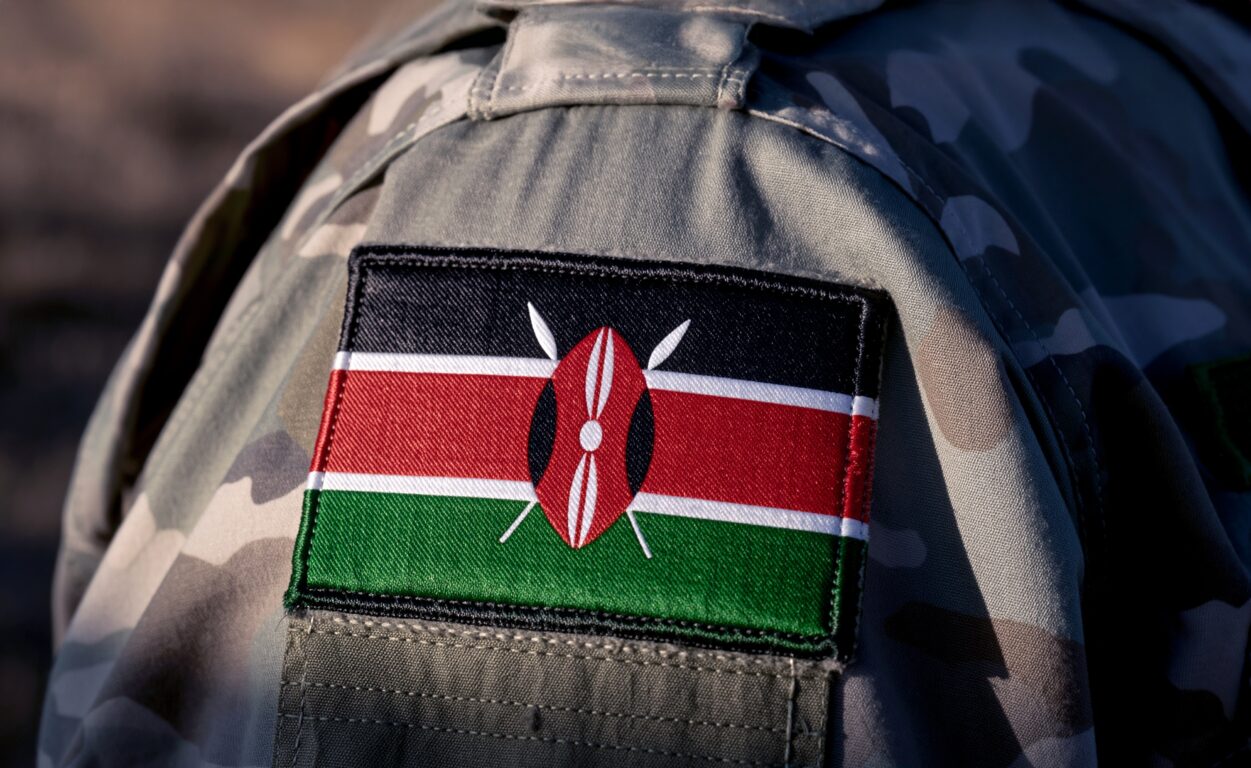
Kenya’s deepening military partnerships with foreign powers are drawing growing scrutiny, with analysts and civil society groups warning that the agreements could weaken national sovereignty and create accountability gaps for foreign troops operating in the country.
Nairobi recently ratified a new Defence Cooperation Agreement with France, adding to existing military arrangements with Britain and the United States. Critics argue that the move runs counter to a broader trend across Africa, particularly in the Sahel, where governments have scaled back or expelled foreign military forces in an effort to reclaim greater control over national security.
Observers say the expanding foreign presence raises difficult questions about Kenya’s autonomy, legal jurisdiction, and geopolitical alignment.
Belgut MP and Chairperson of the National Assembly Committee on Defence, Intelligence and Foreign Relations, Nelson Koech defended the agreements, saying international defence partnerships are a standard component of modern security cooperation.
According to Koech, Kenya’s strategic position exposes it to threats including terrorism, maritime insecurity, and transnational crime, making cooperation with advanced military powers valuable for intelligence sharing, training, and modernisation.
He maintained that such agreements should not be interpreted as a surrender of sovereignty, stressing that they are guided by formal frameworks that define operational limits and jurisdiction.
However, Koech also warned that Kenya must ensure the agreements remain transparent, subject to parliamentary oversight, and firmly aligned with national interests.
He cautioned that foreign troops operating in Kenya should never be allowed to violate human rights or evade justice.
Concerns over accountability have been amplified by the unresolved case of Agnes Wanjiru, whose death was allegedly linked to a British soldier attached to the British Army Training Unit Kenya (BATUK).
Despite years of public pressure, calls for justice and extradition have yet to yield a resolution, with critics citing the case as evidence of weaknesses in existing Status of Forces Agreements (SOFAs).
Analysts argue that Kenya risks repeating similar mistakes under the new French agreement, which reportedly grants French authorities primary jurisdiction over offences committed by their personnel during official duties.
Critics say such arrangements create parallel legal systems that place foreign military personnel beyond the full reach of Kenyan law, undermining constitutional guarantees of equality before the law.
Koech acknowledged the risks associated with these agreements, saying Kenya must revisit and possibly renegotiate defence arrangements to close accountability loopholes.
He stressed the importance of enforceable legal frameworks and joint investigative mechanisms to ensure that no individual is above the law.
The growing defence ties have also triggered debate about Kenya’s foreign policy direction.
Koech warned against Kenya appearing overly aligned with any global power bloc amid rising international tensions, advocating instead for a pragmatic and non-aligned foreign policy approach.
Nevertheless, critics argue that expanding military cooperation with France, alongside longstanding ties with the UK, US, and Israel, risks pulling Kenya closer to Western geopolitical interests.
Some analysts warn that the strategy could expose Kenya to external conflicts and isolate it from other African nations pursuing greater independence from foreign military influence.
Attention has also turned to the upcoming African Forward Summit, scheduled to take place in Nairobi and co-hosted by William Ruto and Emmanuel Macron.
While organisers describe the summit as a platform for partnership and cooperation, critics fear it could reinforce perceptions that Kenya is becoming a gateway for expanding French influence on the continent.
Civil society groups and activists have voiced unease over the country’s current trajectory, arguing that Kenya risks trading long-term sovereignty for short-term security and diplomatic gains.
Analysts say the country now faces a critical choice: strengthen safeguards that prioritise accountability, domestic legal authority, and national interests, or risk deepening dependence on foreign military powers.
They argue that genuine sovereignty requires not only formal agreements but also the political will to ensure Kenyan citizens remain fully protected under national law.
