

Lebanon, Israel Agree to Direct Peace Talks After Washington Meeting

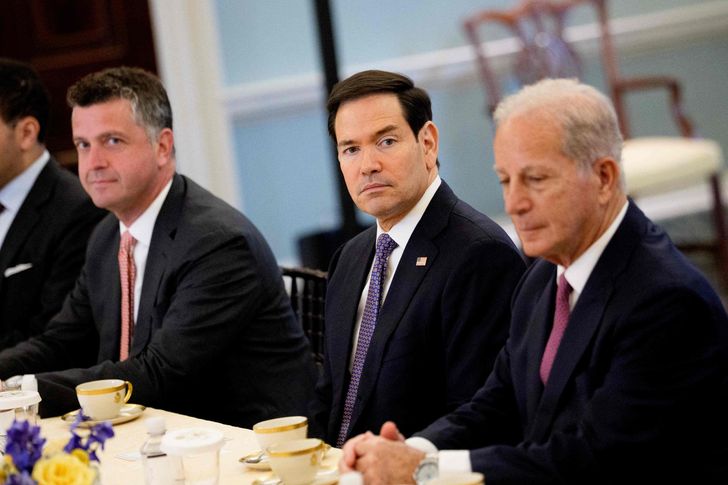
Lebanon and Israel have agreed to begin direct negotiations following high-level talks in Washington, in what officials described as a rare opening for diplomacy between the long-time adversaries.
The discussions, mediated by U.S. Secretary of State Marco Rubio, brought together the Israeli and Lebanese ambassadors to the United States for the first such engagement since 1993. Rubio called the meeting a “historic opportunity” to lay the groundwork for a lasting peace despite decades of conflict.
A U.S. State Department spokesperson said the talks were “productive,” confirming that both sides committed to launching formal negotiations at a mutually agreed time and venue.
Israeli Ambassador Yechiel Leiter described the exchange as positive, saying the two countries found common ground. He emphasized a shared interest in stabilizing Lebanon and addressing the influence of Hezbollah.
Lebanese Ambassador Nada Hamadeh Moawad also characterized the meeting as constructive, while reiterating Beirut’s call for a ceasefire and full sovereignty over its territory, including areas currently occupied by Israeli forces in southern Lebanon.
The diplomatic move comes amid ongoing tensions in the region. Hezbollah opposed the talks and launched rocket fire toward northern Israel as the meeting began, underscoring the fragility of the situation.
Lebanon was drawn deeper into the broader regional conflict after Hezbollah attacked Israel in support of Iran, triggering Israeli military operations that have caused significant casualties and displacement.
Meanwhile, the United States continues efforts to prevent wider escalation, particularly following a fragile ceasefire linked to its conflict with Iran. Broader geopolitical tensions remain high, with Washington increasing pressure on Tehran and global powers urging renewed diplomacy.
UN Secretary-General Antonio Guterres stressed that there is “no military solution” to the crisis, calling for sustained negotiations and political will to achieve lasting peace.
The agreement to pursue direct talks marks a tentative but significant step toward de-escalation in a region long marked by conflict and mistrust.
