

Why Residents Abandoning Cooking Gas for Charcoal?

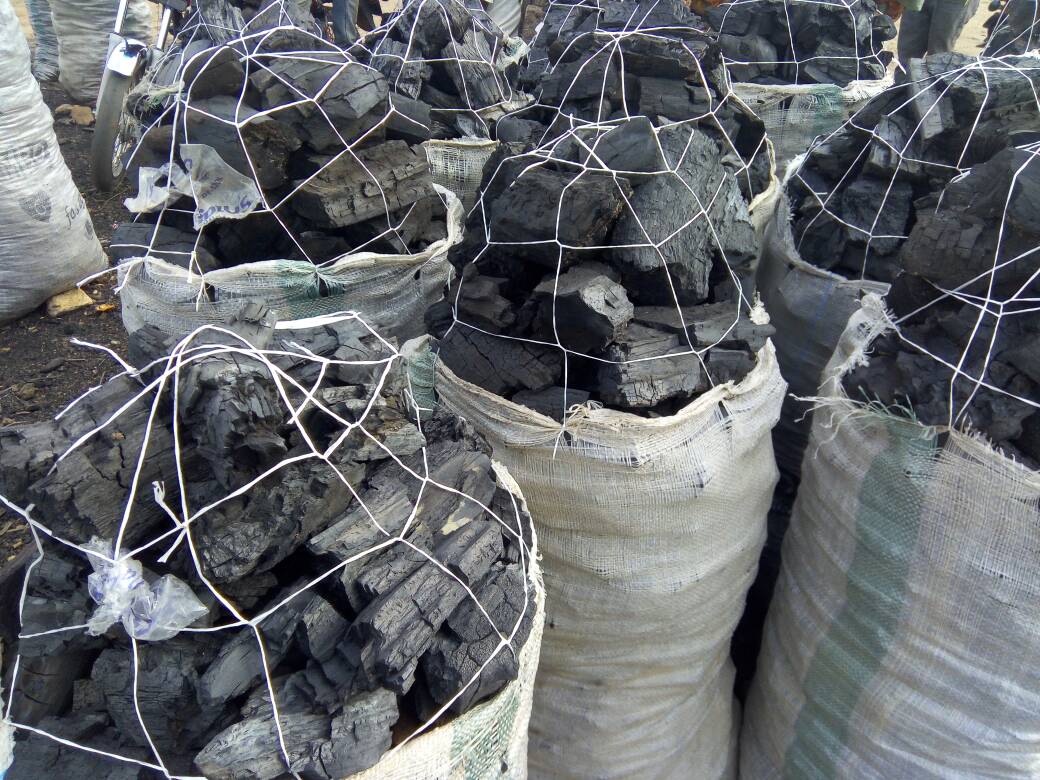
Cooking gas retailers in Enugu State have expressed concern over declining sales, attributing the drop in patronage to the rising cost of liquefied petroleum gas (LPG), which they say is pushing many households back to charcoal for cooking.
The traders called on the Federal Government to address the factors driving up gas prices to reduce the financial pressure on consumers and businesses.
Speaking on Wednesday, a gas retailer, Emmanuel Okam, said the persistent increase in LPG prices had significantly affected demand.
According to him, customers who previously purchased five kilogrammes of gas now settle for as little as two kilogrammes to manage costs.
“Business is no longer what it used to be. Before now, I could refill up to five or six cylinders in a week, but demand has dropped sharply because of high gas prices.
“I buy gas at about ₦1,600 per kilogramme from suppliers and sell at about ₦1,850, yet many customers still cannot afford the quantity they need,” he said.
Okam noted that despite reducing his profit margin to attract buyers, sales remained low.
“Previously, I sold about 60kg weekly, but now I struggle to sell even half of that. It is affecting my income and my ability to meet family and financial responsibilities,” he added.
He urged the government to engage suppliers and implement measures that would lower LPG costs at the source to make cooking gas more affordable.
Another retailer, Ifeanyi Maduka, linked the decline in patronage to broader economic challenges and rising living costs.
“Gas that used to sell for between ₦400 and ₦500 has risen to over ₦1,000, while fuel prices have also increased. Everything is becoming more expensive,” he said.
Maduka explained that although customers still visited his outlet, the quantity purchased had dropped significantly due to reduced purchasing power.
“Customers are coming, but not like before because money is not circulating. Gas prices are unstable, and suppliers can increase prices at any time, affecting both retailers and consumers,” he said.
He added that while some outlets sold cooking gas for as high as ₦2,000 per kilogramme, others charged between ₦1,800 and ₦1,900, while his outlet maintained a price of ₦1,750 per kilogramme.
A resident, Ukamaka Okoro, said the increase in gas prices had forced her to cut back on consumption.
“I used to buy seven kilogrammes of cooking gas, but when I recently went to refill, I was told the price had risen to ₦1,850 per kilogramme. I had no choice but to reduce the quantity.
“As a secondary school teacher, I appeal to the government to urgently ease the burden on low-income earners,” she said.
